
Lake Manyara National Park lies at the foot of the Great Rift Valley escarpment, next to the village of Mto wa Mbu. Much of the park is taken up by the shallow soda lake, and the land between the lake and the escarpment holds a remarkable range of habitats in a small area.
Its size makes Manyara ideal for a short game drive at the start or end of a safari, or for travellers who enjoy birds and scenery as much as big game.
What makes Lake Manyara different
The road into the park passes through groundwater forest, kept green all year by springs that seep from the base of the escarpment rather than by rain. Olive baboons are especially common here, along with blue monkeys. Further south the forest opens onto grassland, acacia woodland and the lake shore.
Wildlife and birds
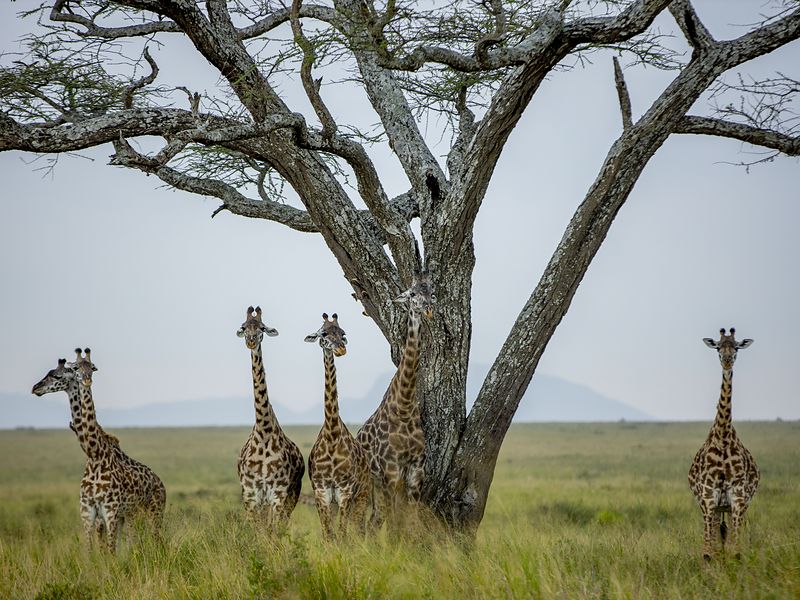
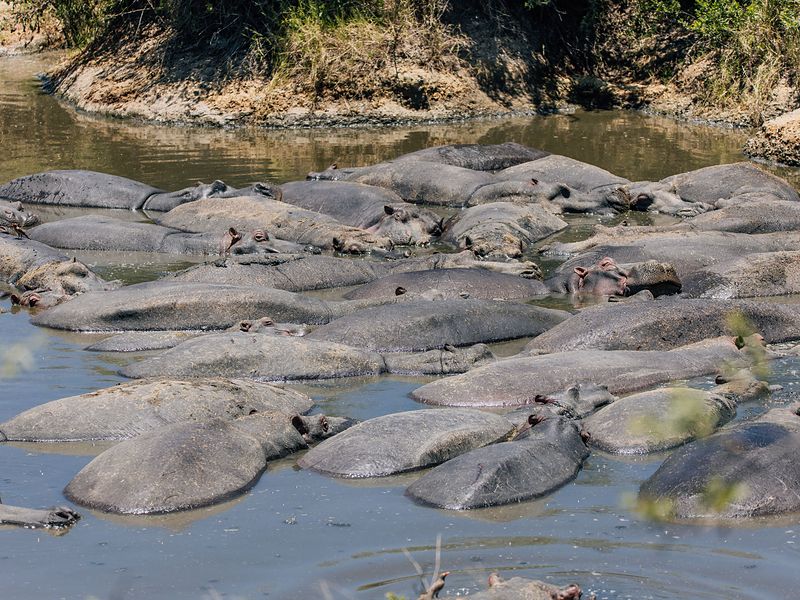
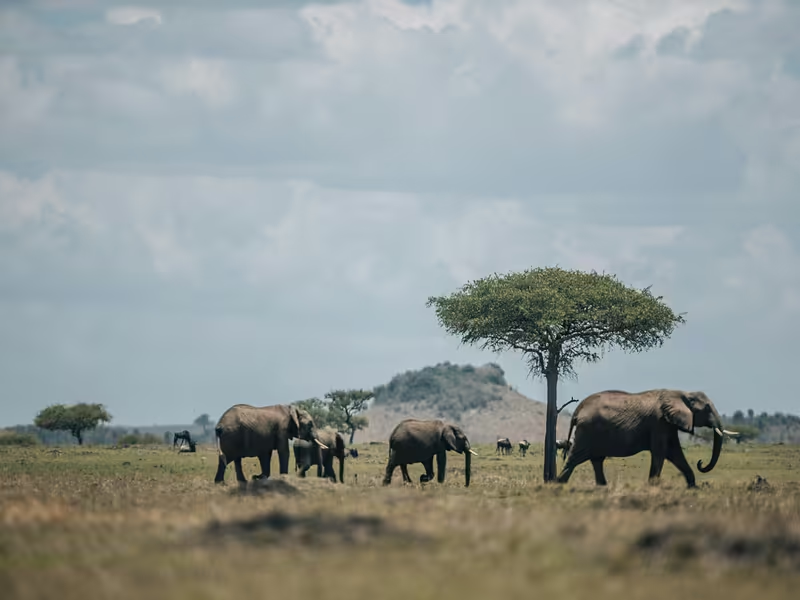
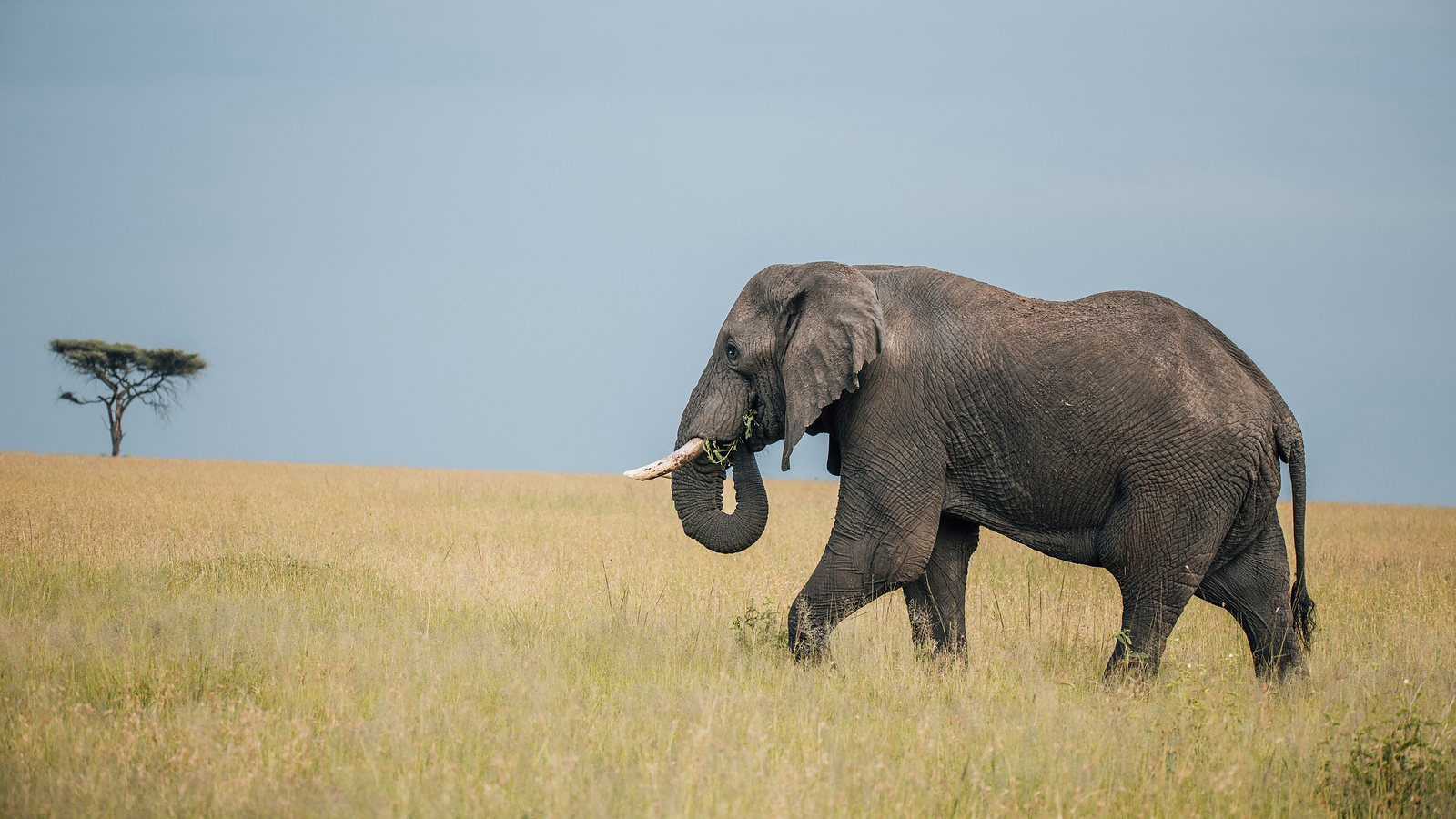
- Elephant, giraffe, buffalo, zebra and hippo.
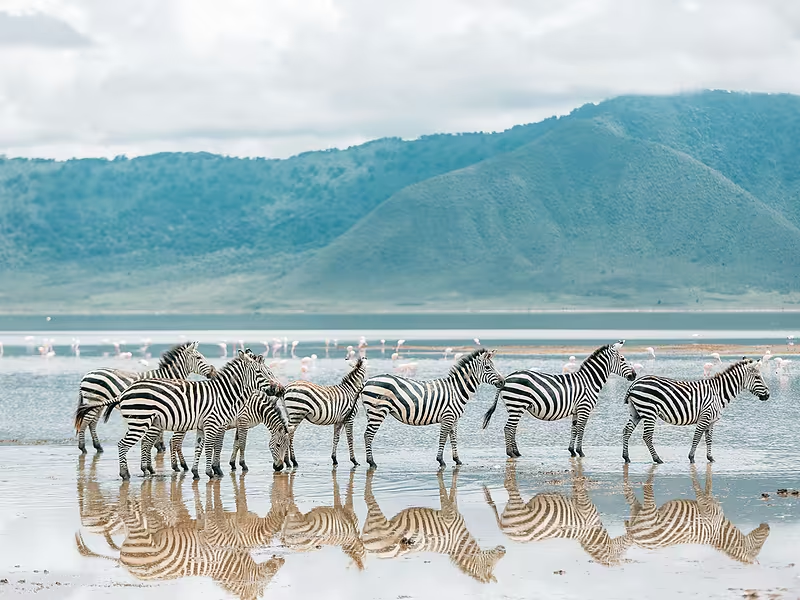
- Flamingos and pelicans on the lake when water levels suit them, with storks and many other waterbirds.
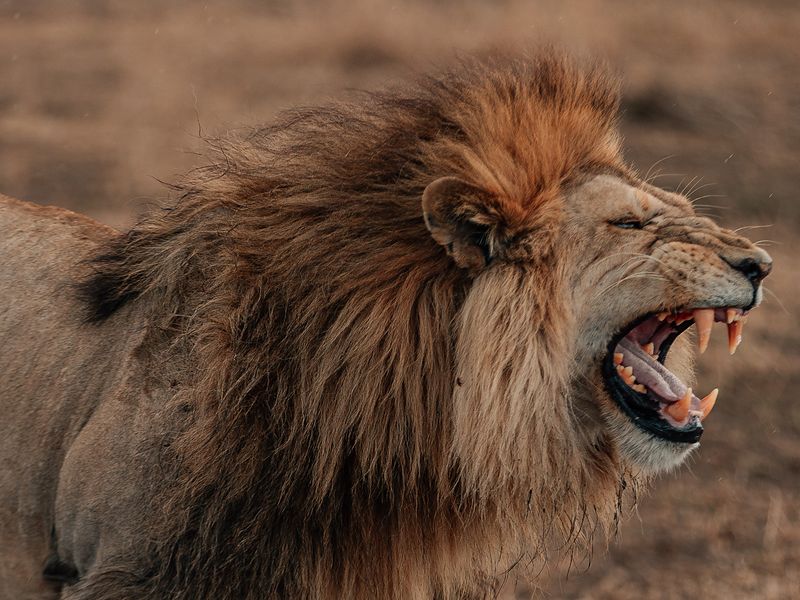
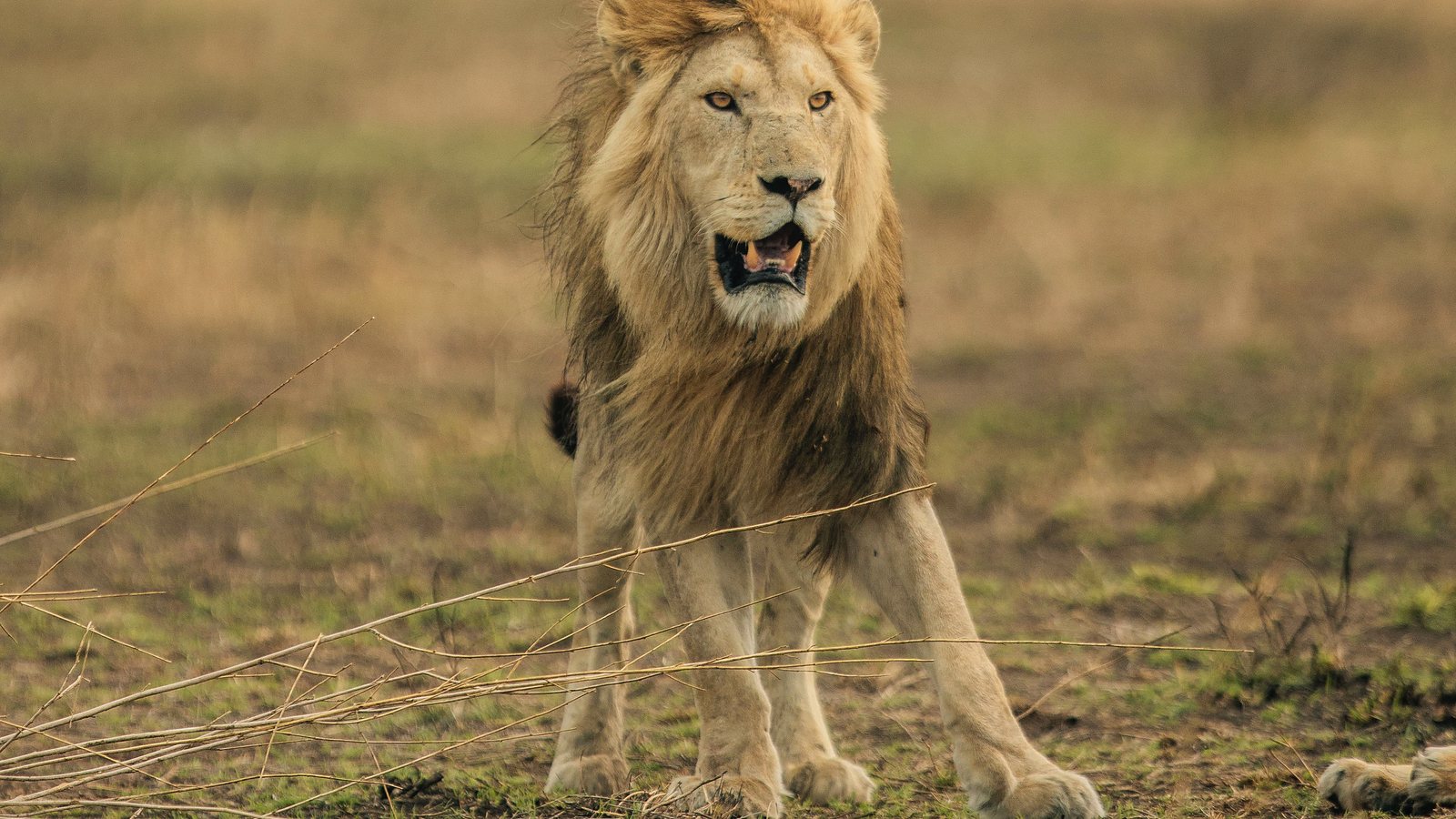
- Lions that sometimes rest in trees: part of the park's reputation, but not an everyday sighting.
Things to do
- Game drives through forest, grassland and along the lake shore.
- The treetop walkway, a suspended canopy walk of about 370 metres, available as an optional extra.
- The Maji Moto hot springs in the south of the park.
- A walk or cycle through Mto wa Mbu village outside the gate.
How it fits a safari
Manyara is about two hours from Arusha and close to Karatu, so it pairs easily with Tarangire and the Ngorongoro Crater. It also works well on a two- or three-day safari from Zanzibar.
Best time to visit Lake Manyara
BestGoodQuieter or rainy
The park is good all year. The dry season from June to October is best for general game viewing; the wet months are best for birds and green scenery. Flamingo numbers vary with water levels and cannot be predicted months ahead.