

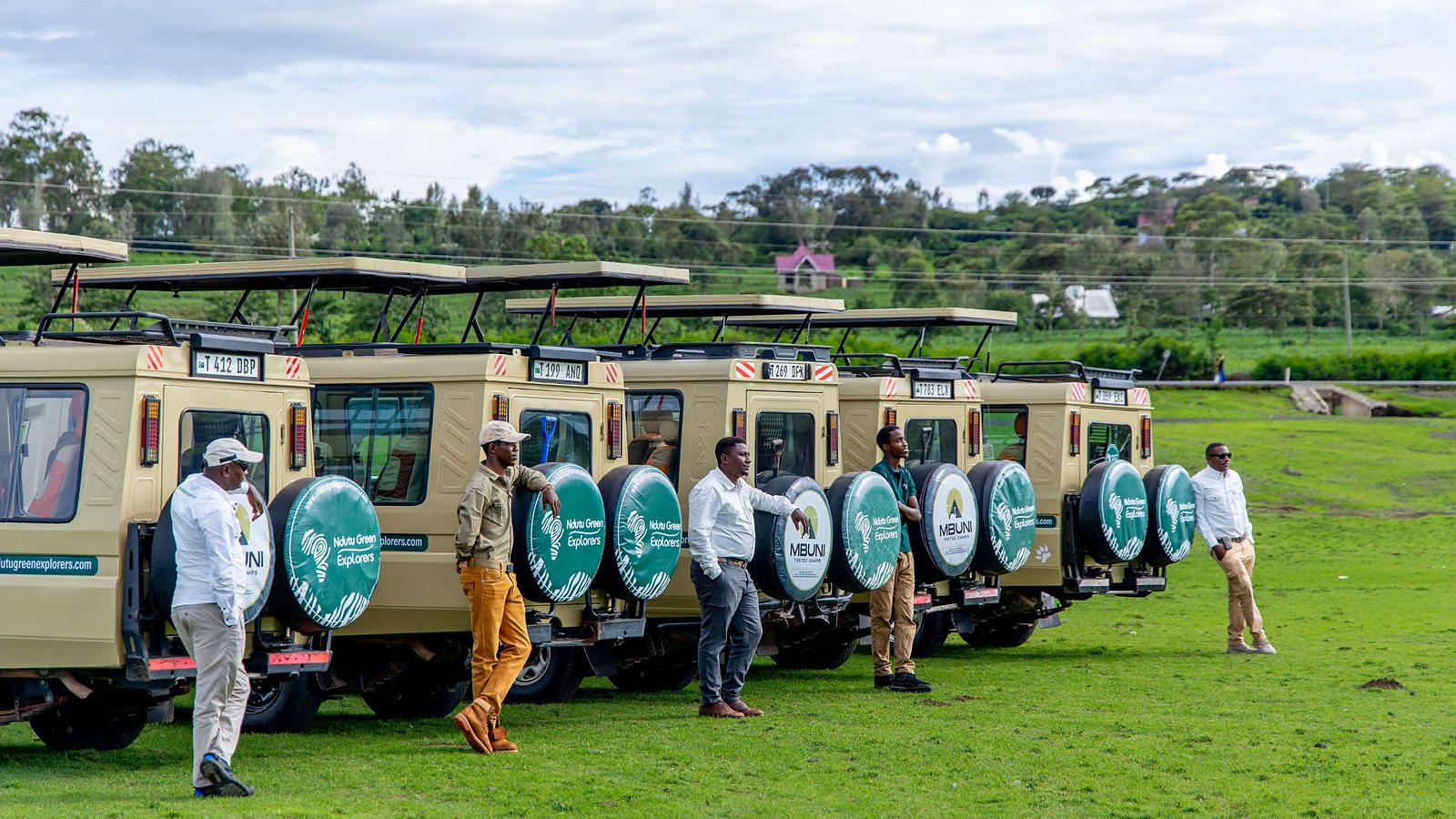
Tanzania safari packing list
What to bring for a private safari in northern Tanzania, based on the questions our guests ask most often.
You need less than you think. Most lodges offer laundry, you spend the day in a vehicle, and a soft bag is easier to handle than a hard suitcase. These are the things that matter.
Luggage
- A soft-sided bag. If your itinerary includes scheduled safari flights, luggage is usually limited to around 15 kg per person in a soft bag. The exact allowance is on your ticket.
- A small daypack for the vehicle: camera, binoculars, sunscreen, a warm layer.
Clothing
- Neutral colours such as khaki, olive, beige and grey. Tsetse flies, found in parts of Tarangire, are attracted to dark blue and black.
- No camouflage patterns. Wearing military-style camouflage is not permitted for civilians in Tanzania.
- Layers. Early mornings are cool, and the Ngorongoro Crater rim, at around 2,300 metres, can be cold. A fleece or light down jacket is useful.
- Long sleeves and trousers for the evenings, when mosquitoes are active.
- A wide-brimmed hat and sunglasses. The equatorial sun is strong, even when it feels mild.
- Comfortable closed shoes and sandals for camp.
- For Zanzibar: swimwear and a light cover-up for Stone Town, where modest dress is respectful.
Equipment
- Binoculars, one pair per person if possible. They change the experience more than any other item.
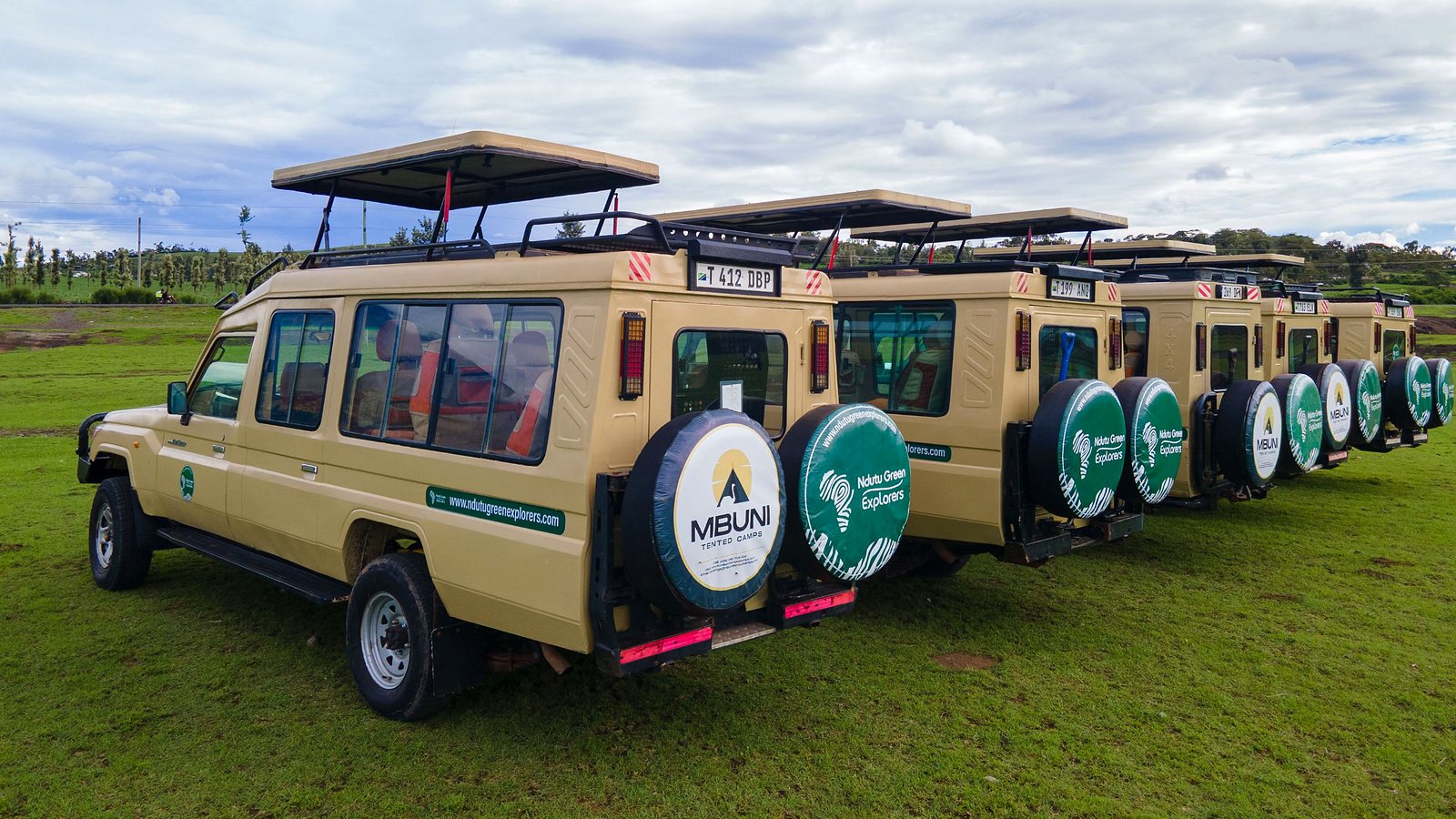
- Camera and spare batteries. Our vehicles have charging points, and most lodges have power in the rooms, though some camps run on solar.
- A zoom lens (100–400 mm) if you are serious about photography.
- A universal adapter. Tanzania mainly uses the British-style three-pin plug.
Documents and money
- A passport valid for at least six months, with blank pages.
- Your Tanzania visa. Read our visa FAQ.
- A yellow fever certificate if you are arriving from, or have transited through, a country with a risk of yellow fever.
- Travel insurance details.
- US dollars in small, recent notes for tips and small purchases.
Health
- Talk to a travel-health clinic about malaria prevention and vaccinations well before you travel.
- Insect repellent, sunscreen and any personal medication in your hand luggage.
- A small first-aid kit. Your guide carries one too.
What not to bring
- Plastic carrier bags. Tanzania has banned them, and they may be taken at the airport. Use packing cubes or cloth bags.
- Drones, unless you have the required permits, which are difficult to obtain for national parks.
- Too many clothes. Laundry is available at most lodges.
Frequently asked questions
Do I need a hard suitcase?
No. A soft bag is easier to fit in the vehicle and is required on most safari flights.
Is it cold on safari?
Early mornings and the Ngorongoro Crater rim can be cold, especially from June to August. Days are usually warm.
Can I charge my camera in the vehicle?
Yes. Our safari vehicles have charging points.
All articles
All articles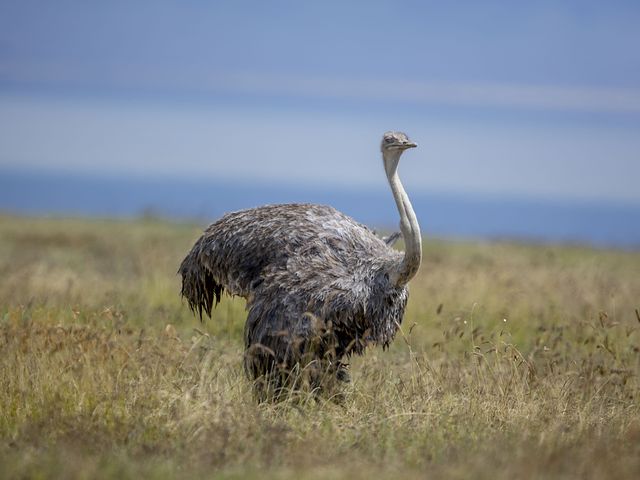
How much does a Tanzania safari cost?
Real per-person prices for private Tanzania safaris from 2 to 12 days, what is included, what drives the cost, and how group size changes the price.
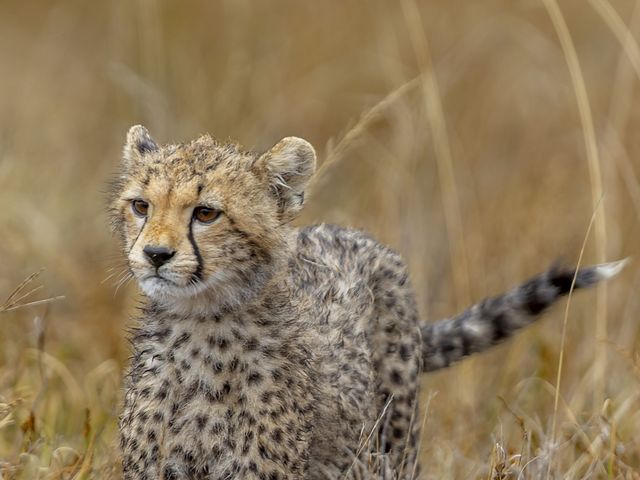
The Ndutu calving season: when to go and what to expect
When the wildebeest calving season happens in Ndutu and the southern Serengeti, what you will see, weather, photography tips and how to plan your safari.
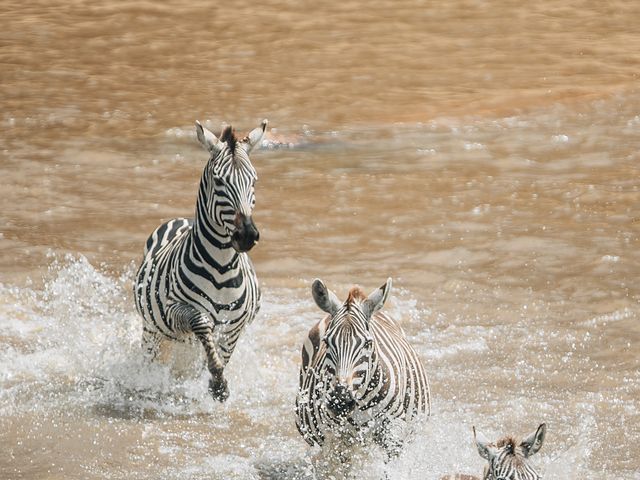
Mara River crossings: a realistic guide
When and where the wildebeest cross the Mara River in the Northern Serengeti, why crossings cannot be guaranteed, and how to plan the best chance of seeing one.
Start planning your Tanzania safari
Tell us when you would like to travel and what matters most to you. We will suggest a route that fits.
