

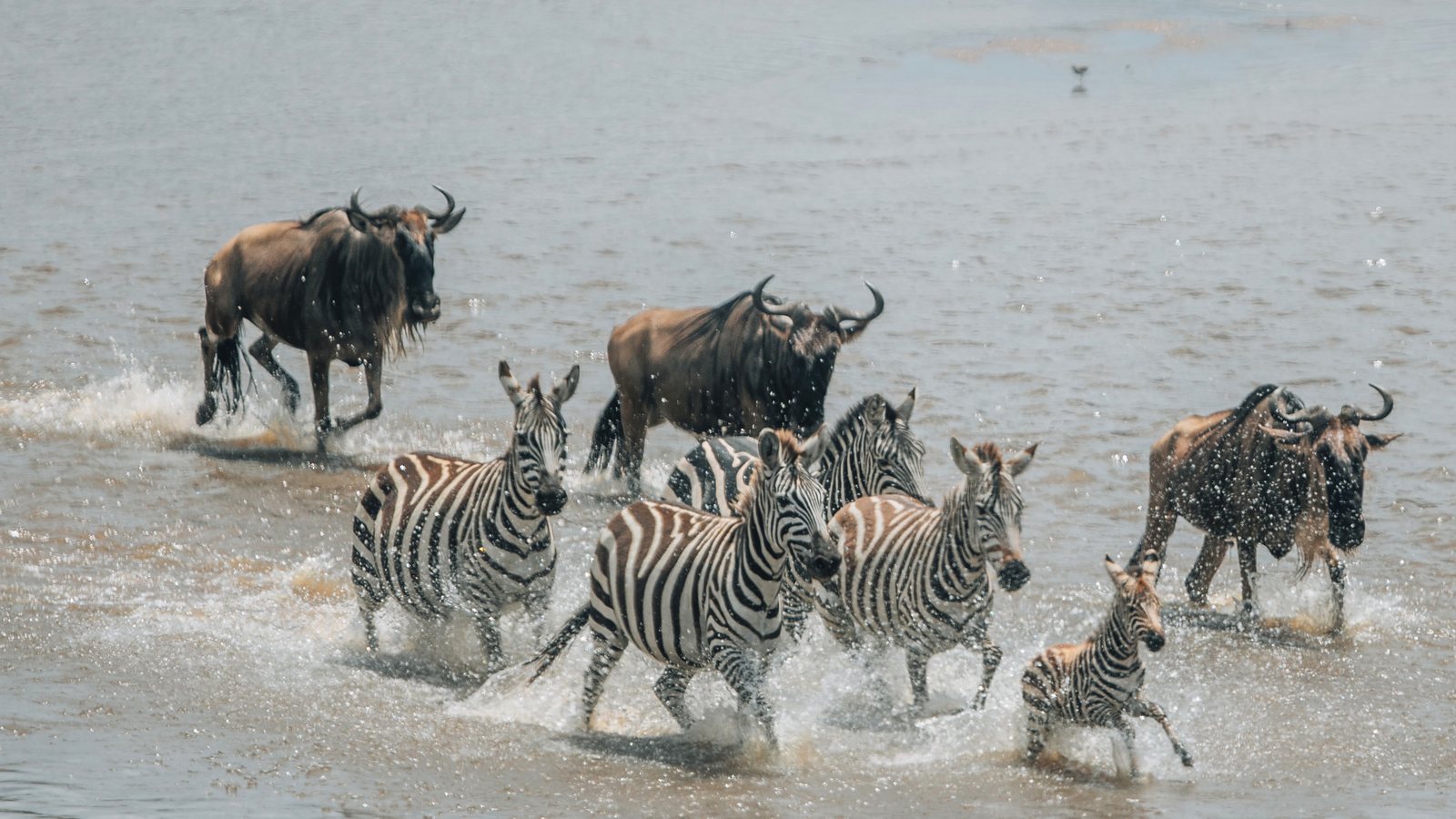
Mara River crossings: a realistic guide
When the herds reach the Mara River, one of the most dramatic events in the natural world can happen at any moment, or not at all today.
River crossings are the image most people associate with the Great Migration. They are real, frequent in season and extraordinary to watch. They are also impossible to schedule. Planning well means understanding both.
Where crossings happen
In Tanzania, crossings take place in the Northern Serengeti, where the Mara River loops through the park around Kogatende and Lamai. The herds cross back and forth between the Serengeti and Kenya's Maasai Mara in search of grazing, sometimes several times in a season.
When
The herds generally reach the north from about July and remain until October, with August and September often the most active months. The exact timing changes each year with the rains, so we plan by region rather than by fixed dates. See our guide to the Serengeti's regions for the full annual pattern.
How a crossing unfolds
Herds gather on the bank, sometimes for hours or even days. Animals approach the water, retreat and return. Then something, often a few individuals at the front, sets off a rush, and thousands follow. Crocodiles wait in the river, and the far bank can be steep.
A crossing can start while you are having lunch and be over in twenty minutes. The best strategy is time near the river, not luck on a single day.
Etiquette at the river
Vehicles that crowd the riverbank can push the herds away from a crossing point. Good guides hold back, keep engines low and wait at a distance that lets the animals commit. Park rangers may also regulate vehicle positions at popular points. Patience is part of the experience.
How many nights
We recommend at least two nights in the north, giving one full day near the river. Three nights improve the odds further. Our 8-day Great Migration safari includes two nights at Kogatende and two in Central Serengeti.
Getting there
By road, the north is a full day's drive from Central Serengeti with game viewing on the way. Scheduled flights can shorten the trip; our 6-day safari with a fly-out drives in and flies out.
If there is no crossing
The Northern Serengeti still offers large herds on the plains, resident lions, elephants and giraffes, and far fewer vehicles than the central areas. Many guests say the quiet was as memorable as the crossing.
Frequently asked questions
Can you guarantee a crossing?
No. Crossings are natural events. We base you near the crossing points and give you time there, which is the best way to improve your chances.
Is July or September better?
It varies by year. August and September are often the most consistent, but herds can be in the north from July into October.
Do we need to fly?
No. All our northern itineraries can be done by road; flights save time and are optional on some routes.
All articles
All articles
How much does a Tanzania safari cost?
Real per-person prices for private Tanzania safaris from 2 to 12 days, what is included, what drives the cost, and how group size changes the price.
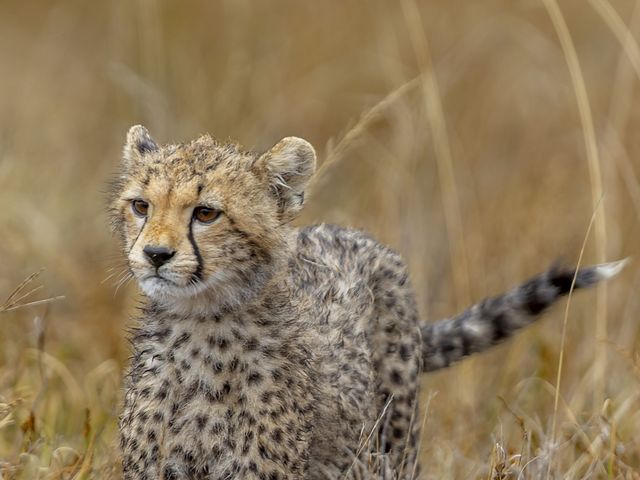
The Ndutu calving season: when to go and what to expect
When the wildebeest calving season happens in Ndutu and the southern Serengeti, what you will see, weather, photography tips and how to plan your safari.

Tanzania safari packing list
A practical Tanzania safari packing list: clothing colours, layers for the Ngorongoro Crater, luggage limits on safari flights, documents, health items and what not to bring.
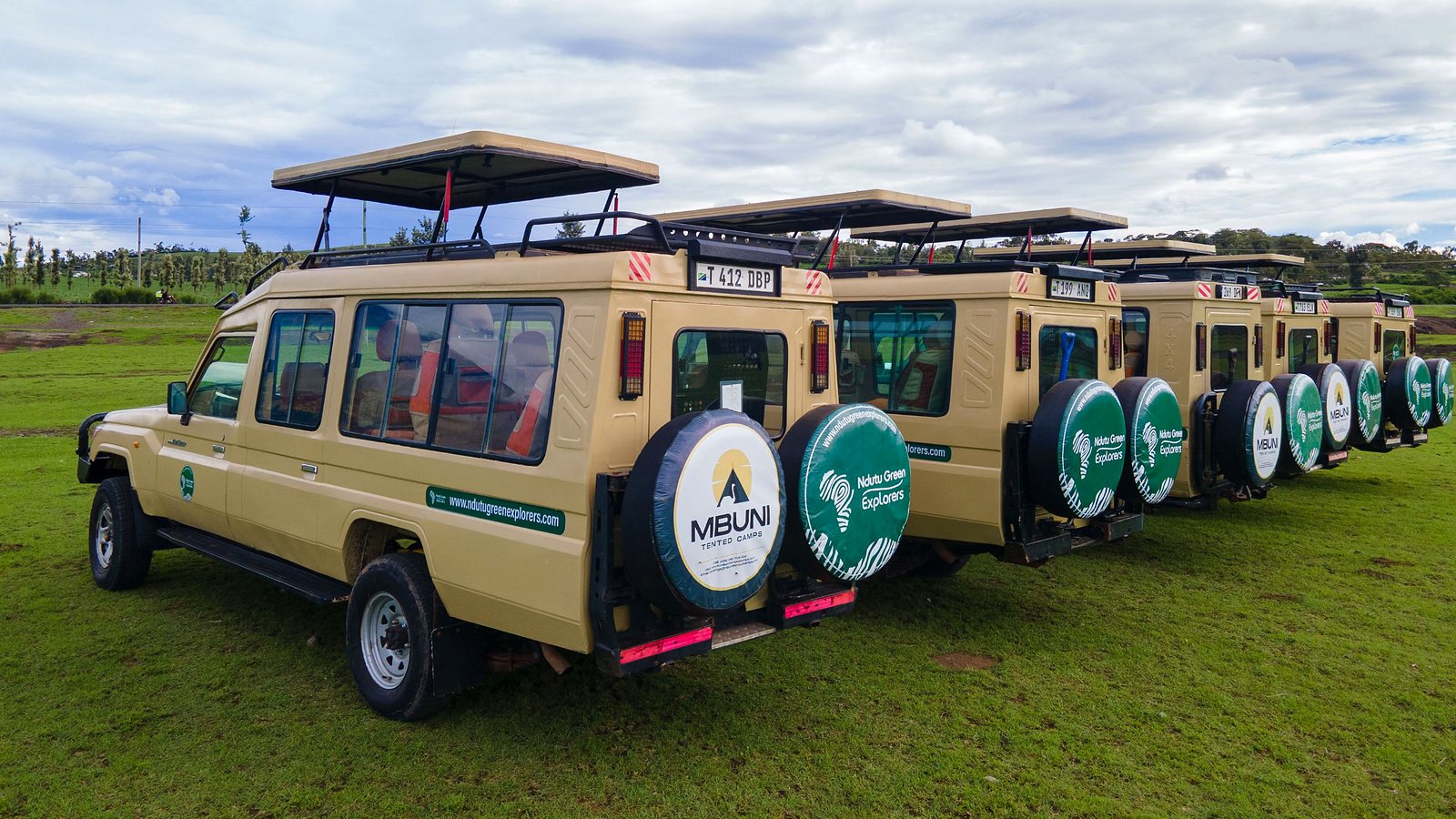
Start planning your Tanzania safari
Tell us when you would like to travel and what matters most to you. We will suggest a route that fits.
