

The Ndutu calving season: when to go and what to expect
Every year, hundreds of thousands of wildebeest give birth on the short-grass plains of the southern Serengeti. Here is how to plan for it.
Our company is named after Ndutu, and calving season is the time of year our guides talk about most. It is also one of the most misunderstood parts of the Great Migration, so this guide sticks to what you can realistically expect.
Where the calving happens
The calving grounds lie on the short-grass plains of the southern Serengeti ecosystem, around Lake Ndutu and Lake Masek. Part of the area is inside the Serengeti National Park and part is inside the Ngorongoro Conservation Area. See our guide to Ndutu for the geography.
The herds come here because the volcanic soils produce short, mineral-rich grass after the rains. It is ideal grazing for lactating females and newborn calves.
When to go
The migrating herds usually arrive on the southern plains between late November and December and stay until around March. Most calves are born within a few weeks, typically in February. If you are flexible, late January to late February is the most reliable window.
Timing depends on rainfall. In a year with late rains, the herds may be spread more widely or further north. Our guides check current reports every morning before choosing the route.
What you will see
The herds
At the peak, wildebeest, zebra and gazelle can stretch to the horizon. Newborn wildebeest stand within minutes and must keep up with the herd almost immediately.
Predators
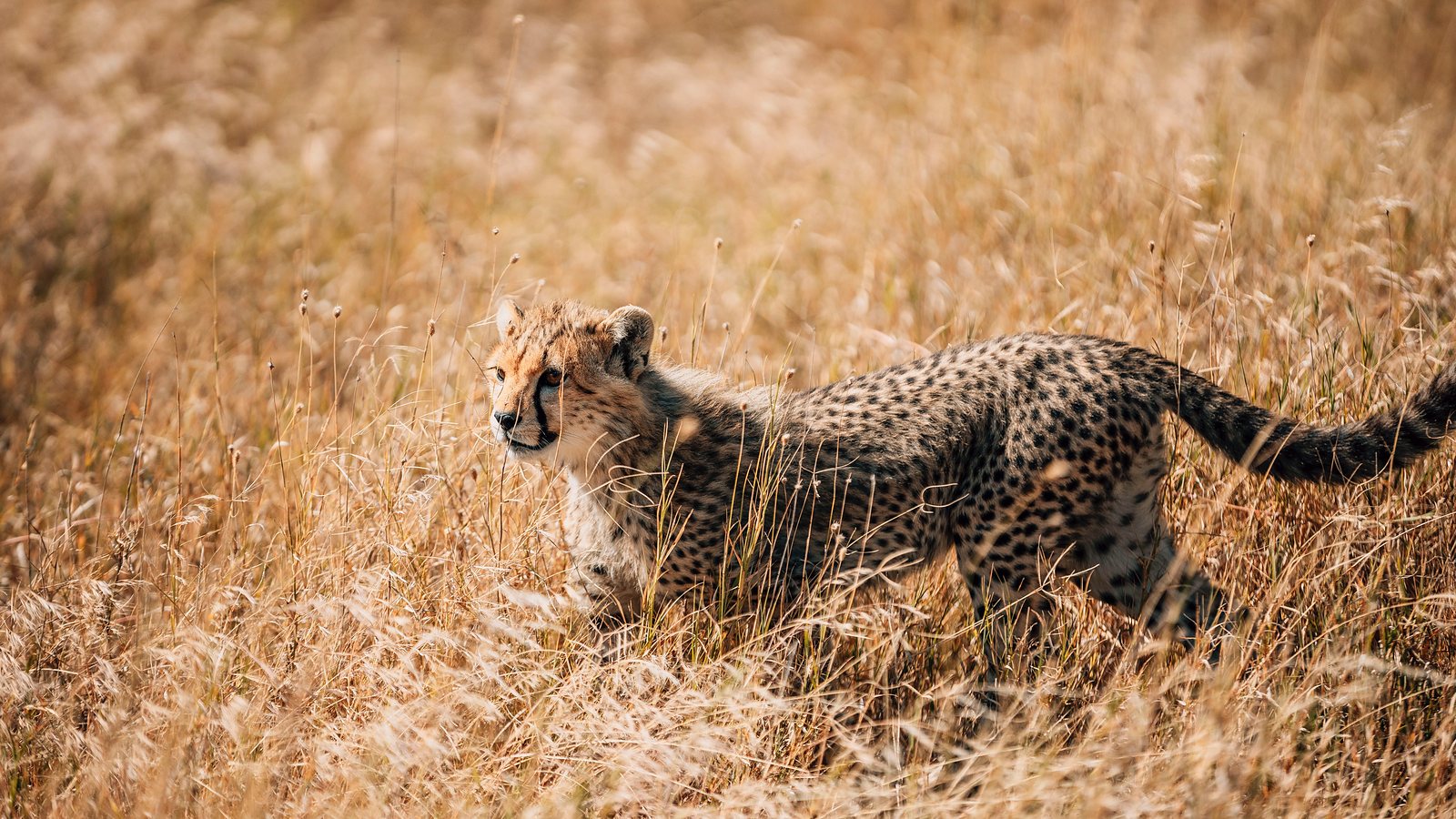
The concentration of young animals attracts lions, cheetahs and spotted hyenas. Predator activity is often high, especially in the early morning. Sightings are never guaranteed, but few places in Africa offer this density of predator-prey interaction in open country.
Resident wildlife
The acacia woodland around the lakes is good for leopard, giraffe and elephant, which makes Ndutu rewarding even on days when the herds are further out.
Weather
Calving coincides with the short-rains period and the green season. Expect warm days, green landscapes and the possibility of afternoon showers. Roads can be muddy after rain, which is one reason an experienced local guide matters.
Photography
- Early mornings give the best light and the most activity.
- A zoom lens in the 100–400 mm range is ideal; births often happen at a distance.
- Tell your guide you want to photograph. They will position the vehicle for light and background and keep a respectful distance from mothers and calves.
How long to stay
Two nights in the Ndutu area, giving one full day on the plains, is a good minimum. Most guests combine Ndutu with the Ngorongoro Crater, two to three hours away, and with Tarangire.
Our calving-season itineraries
Our 4-day calving safari combines Tarangire, the crater and two nights at Ndutu. The 5-day version adds a cultural morning with the Hadzabe and Datoga at Lake Eyasi. See all Great Migration safaris.
Frequently asked questions
Is calving season better than the river crossings?
They are different experiences at opposite ends of the year. Calving offers huge herds and predator action in open country; crossings offer drama at the river but can mean long waits.
Will it rain?
Showers are possible during calving season, usually in the afternoon. Most days still offer long periods of good weather for game drives.
How far in advance should we book?
Camps near Ndutu are limited, so three to nine months ahead gives the best choice for February.
All articles
All articles
How much does a Tanzania safari cost?
Real per-person prices for private Tanzania safaris from 2 to 12 days, what is included, what drives the cost, and how group size changes the price.
Mara River crossings: a realistic guide
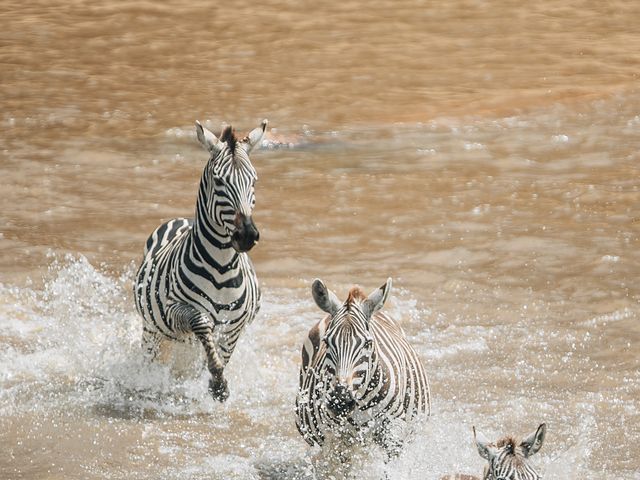
When and where the wildebeest cross the Mara River in the Northern Serengeti, why crossings cannot be guaranteed, and how to plan the best chance of seeing one.

Tanzania safari packing list
A practical Tanzania safari packing list: clothing colours, layers for the Ngorongoro Crater, luggage limits on safari flights, documents, health items and what not to bring.
Start planning your Tanzania safari
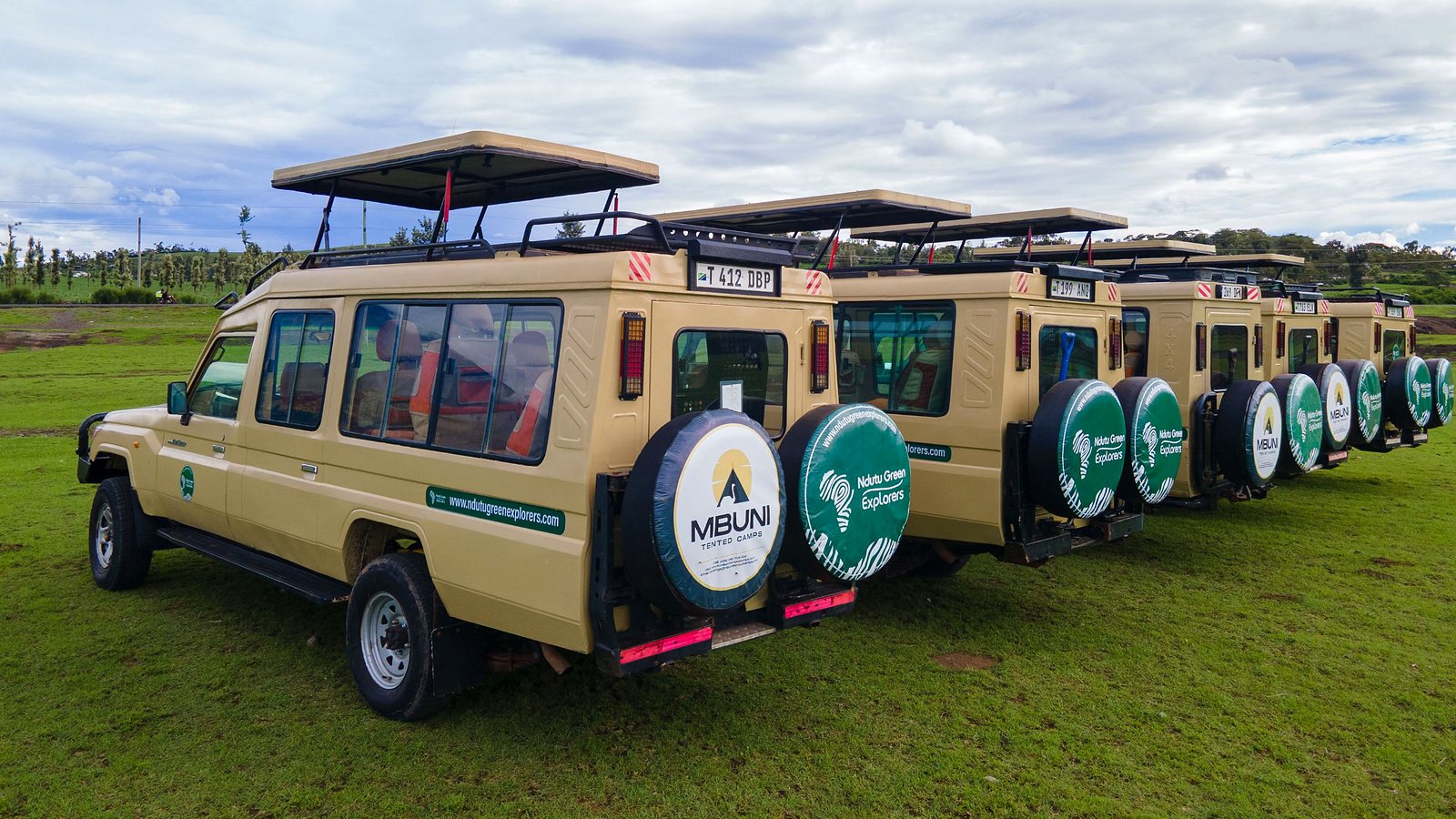
Tell us when you would like to travel and what matters most to you. We will suggest a route that fits.
