

10-Day Tanzania Safari & Zanzibar Beach Escape
Ngorongoro Crater · Central Serengeti · Northern Serengeti +2
- Time in the northern Serengeti
- Ends on a Zanzibar beach
From$2,610per person
We value your privacy
We use cookies to understand how our website is used and to measure our advertising. You can accept all cookies, reject non-essential ones or choose your settings. Privacy Policy
Great Migration6 days / 5 nights
Tarangire, the Ngorongoro Crater, two nights at Ndutu, Lake Eyasi and Lake Manyara.
From $1,805 per person
Wildlife, the calving season and culture in six days: Tarangire and the Ngorongoro Crater, two nights at Ndutu, time with the Hadzabe and Datoga at Lake Eyasi, and Lake Manyara on the final day.
Destinations: Tarangire, Ngorongoro Crater, Ndutu, Lake Eyasi, Lake Manyara
Tarangire is baobab country: old, swollen-trunked trees stand over grassland, acacia woodland and seasonal swamps. The Tarangire River is the only permanent water in the area, so in the dry months, roughly June to October, elephants gather along it in large family groups, followed by zebra, wildebeest, buffalo and the lions that hunt them. Birdlife is rich all year.
 Overnight: Classic View Lodge (Karatu)Meals: Lunch and dinner
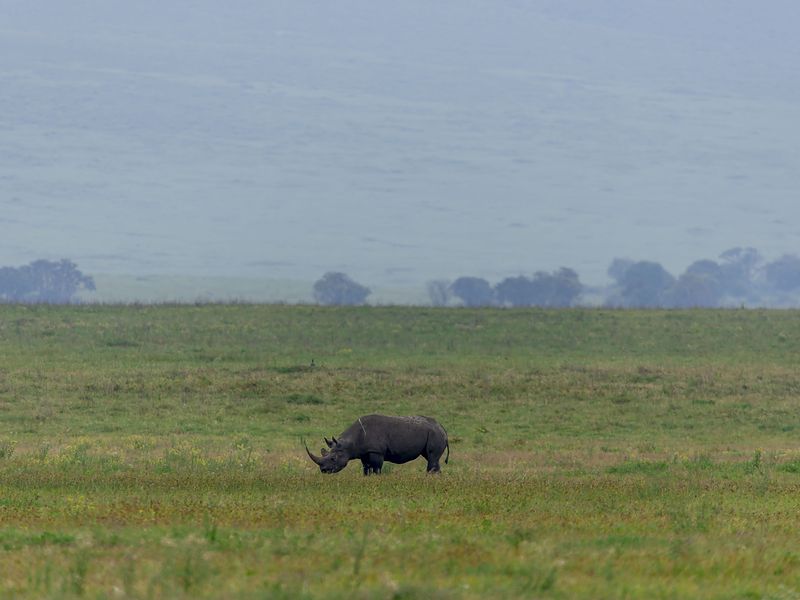
The Ngorongoro Crater is a collapsed volcano about 19 kilometres across, with walls roughly 600 metres high. Its floor holds grassland, the Lerai fever-tree forest, swamps and the soda lake Magadi, with water all year. Lion, buffalo, elephant, zebra, wildebeest and hyena are regularly seen, and it is the most reliable place in northern Tanzania to see black rhino, although they often stay at a distance.
 Overnight: Mbuni Migration Camp (Ndutu)Meals: Breakfast, lunch and dinner
Ndutu lies where the southern Serengeti plains meet the Ngorongoro Conservation Area, around two soda lakes, Ndutu and Masek, fringed by acacia woodland. After the short rains the short-grass plains are rich in minerals, and from about December to March the migrating wildebeest, zebra and gazelle gather here to graze and give birth.
Overnight: Mbuni Migration CampMeals: Breakfast, lunch and dinnerLake Eyasi is a seasonal soda lake at the foot of the Eyasi escarpment, south-west of the Ngorongoro highlands. It is home to the Hadzabe, among the last hunter-gatherer communities in East Africa, and to the Datoga, pastoralists known for their metalwork.
 Overnight: Starworld Lodge (Karatu)Meals: Breakfast, lunch and dinner
Lake Manyara lies beneath the wall of the Great Rift Valley escarpment. The drive in passes through groundwater forest fed by springs, where baboon troops and blue monkeys are common, before opening onto grassland and the lake shore. Elephants, giraffes, buffalo and hippos are regularly seen, and the lake draws flamingos and pelicans when water levels suit them.
Lodges and camps on this itinerary, chosen for their location. Any of them can be adjusted to your budget.


Prices in US dollars per person, based on the number of travellers sharing one private vehicle.
A 30% deposit confirms your booking. The balance is due 45 days before departure.
View bank detailsYes. Your group has its own 4×4 vehicle and driver-guide for the whole safari; you do not share with other travellers. You set the pace: stay longer at a sighting, stop for photographs or start earlier.
It starts in Arusha and ends at your onward point. The starting and ending points can usually be changed to Arusha Airport, Kilimanjaro Airport, Moshi, an Arusha hotel or Zanzibar. Send us your flight details and we confirm the transfers.
The herds are usually on the southern plains around Ndutu from December to March, with most births in February. The exact timing depends on the rains. If your dates are flexible, late January to late February is the most reliable window.
Visits to the crater floor are limited to about six hours. We usually descend early, when animals are active, and have lunch at a picnic site on the crater floor.
It starts very early, when the Hadzabe go out to hunt and forage, and is led by a local guide who interprets. It is a real community, not a show: ask before taking photos and follow the guide's lead. The Datoga visit shows traditional blacksmithing.
The itinerary uses Classic View Lodge, Mbuni Migration Camp, Lake Eyasi Safari Lodge and Starworld Lodge. If a lodge is full on your dates, we propose a comparable alternative in the same area before you confirm.
There is a realistic chance, but nobody can honestly guarantee it. Lion, elephant and buffalo are seen on most safaris; black rhino is most likely in the Ngorongoro Crater, often at a distance; leopard takes patience. Your guide will do everything possible to find them.
On full safari days you have breakfast, lunch and dinner. The first day includes lunch and dinner, and the last day includes breakfast and lunch. Tell us about dietary needs or allergies and we inform each lodge.
Yes. All national park and conservation area fees, and government taxes for the itinerary as described, are included in the per-person price.
Yes. A private vehicle makes it easy to adapt the pace for children. Some lodges have minimum ages or family-room limits, so tell us the children's ages when you inquire and we confirm suitable rooms.
A 30% deposit confirms your booking and the balance is due 45 days before departure. You can pay by card through our secure Pesapal page (a 4% card surcharge applies) or by bank transfer in US dollars.
We check availability for your dates and reply with a confirmed itinerary and quote. When you are happy with it, we send an invoice for the deposit. Before you travel you receive the final itinerary, arrival details and a packing list.
Ngorongoro Crater · Central Serengeti · Northern Serengeti +2
From$2,610per person
Tarangire · Central Serengeti · Ngorongoro Crater
From$1,960per person
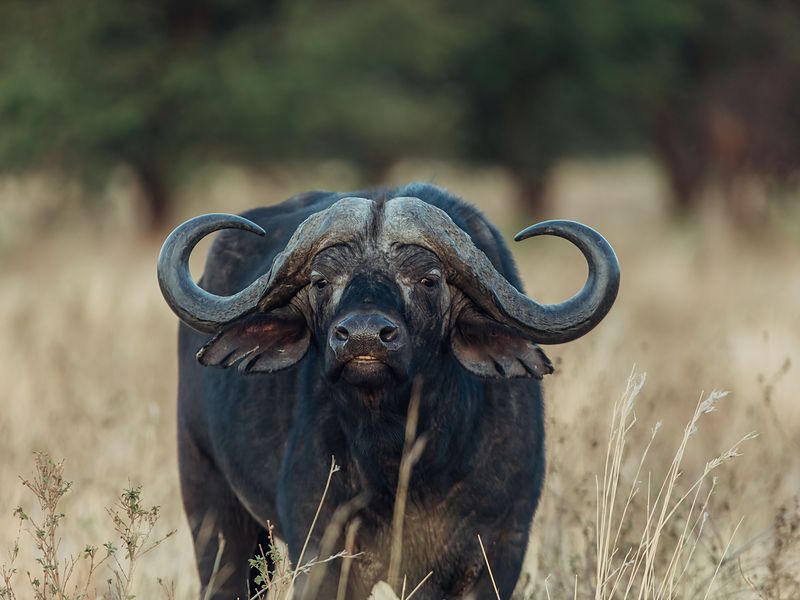
Tarangire · Central Serengeti · Northern Serengeti +1
From$1,982per person
