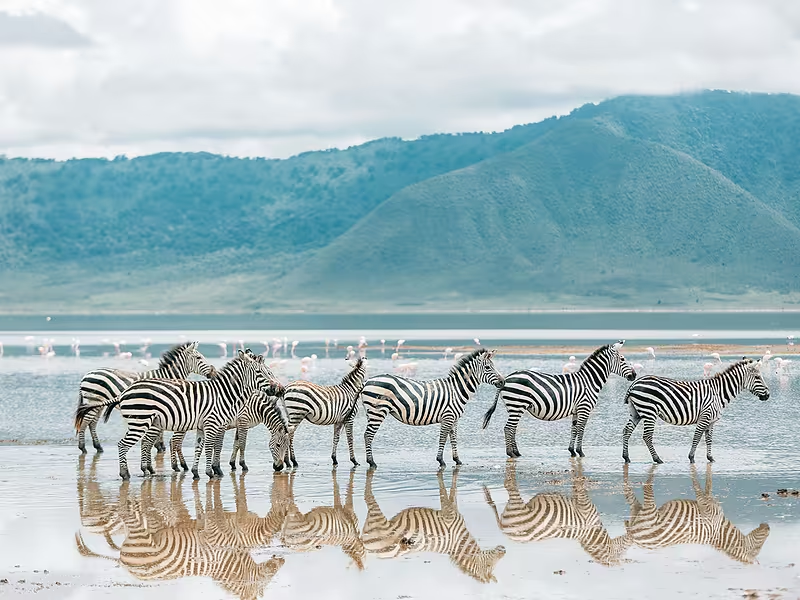

Ndutu lies where the Serengeti National Park meets the Ngorongoro Conservation Area, around two shallow soda lakes, Lake Ndutu and Lake Masek. Acacia woodland surrounds the lakes and open short-grass plains stretch away to the north and west.
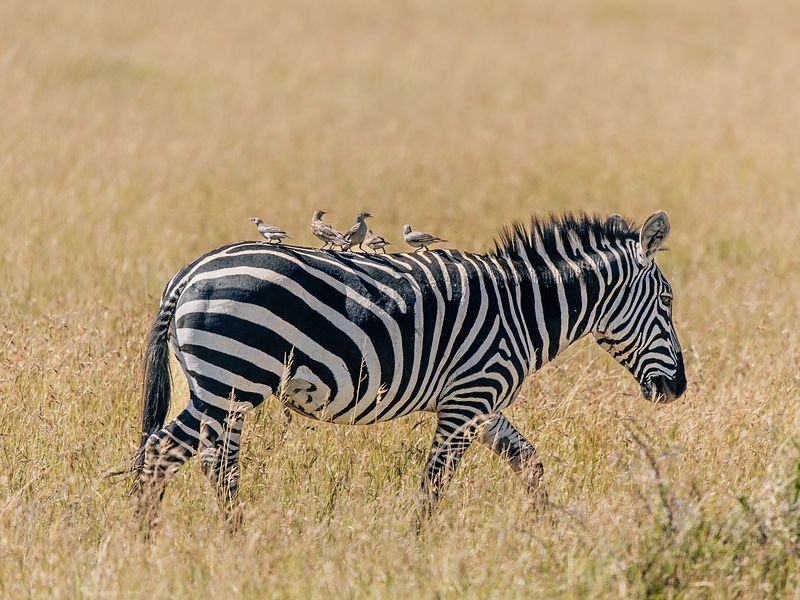
After the short rains, the volcanic soils here produce short, mineral-rich grass, and the migrating wildebeest, zebra and gazelle arrive to graze and give birth.
The calving season
The herds usually reach the southern plains between late November and December and stay until around March. Most calves are born within a few weeks, typically in February. Timing depends on rainfall and changes from year to year, so our guides check current reports every morning before choosing the day's route.
Read our calving season guide for photography tips and what to expect.
Predators and resident wildlife
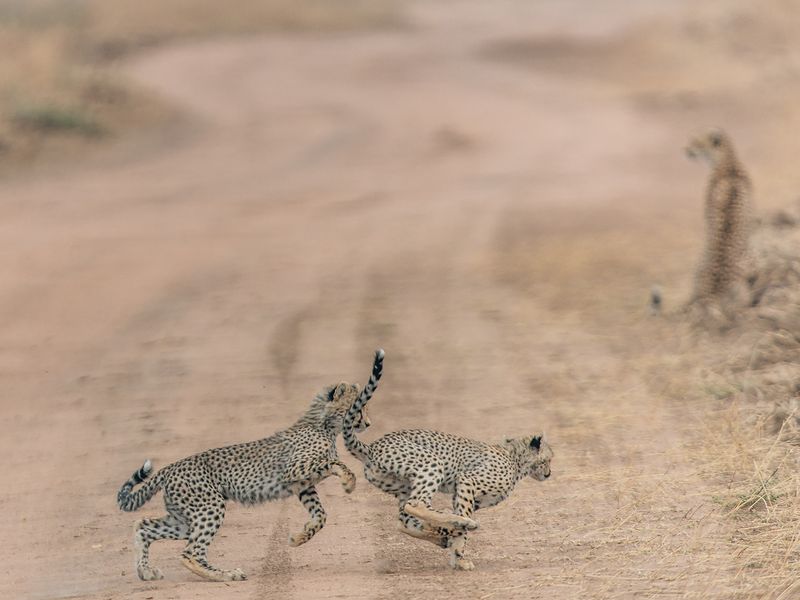
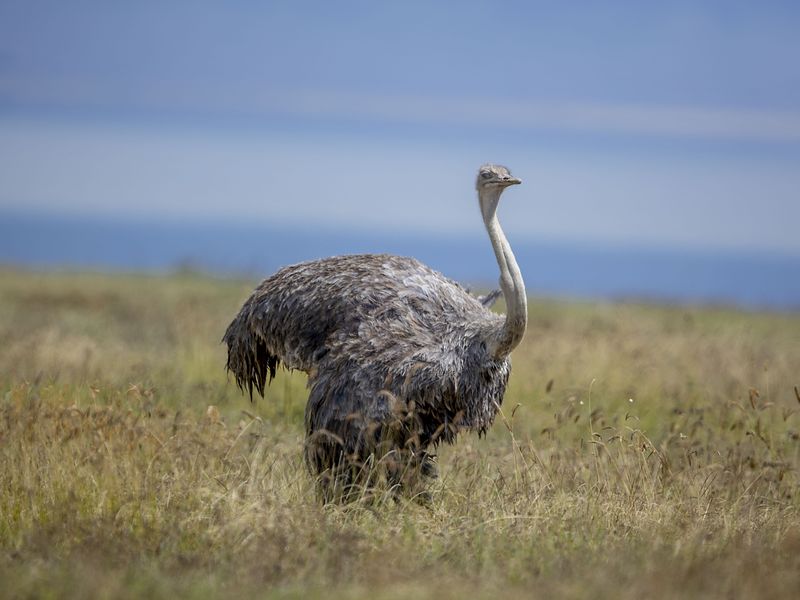
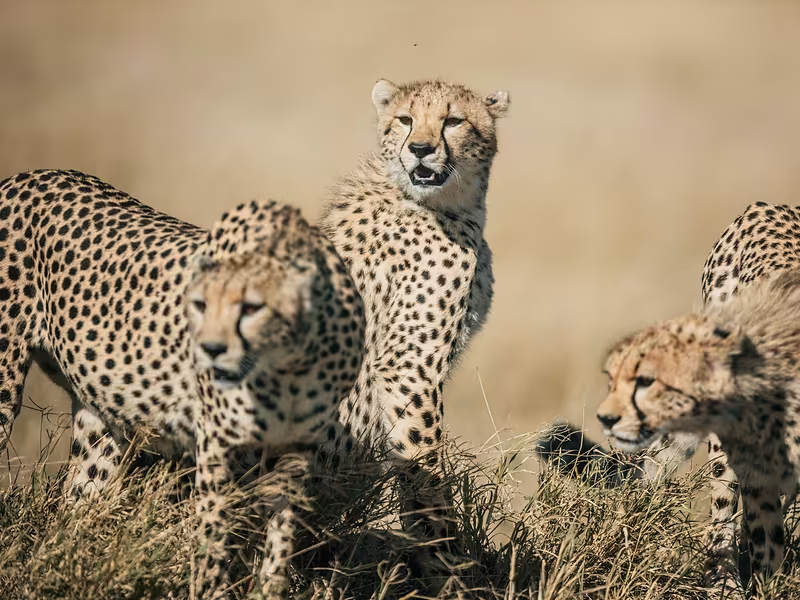
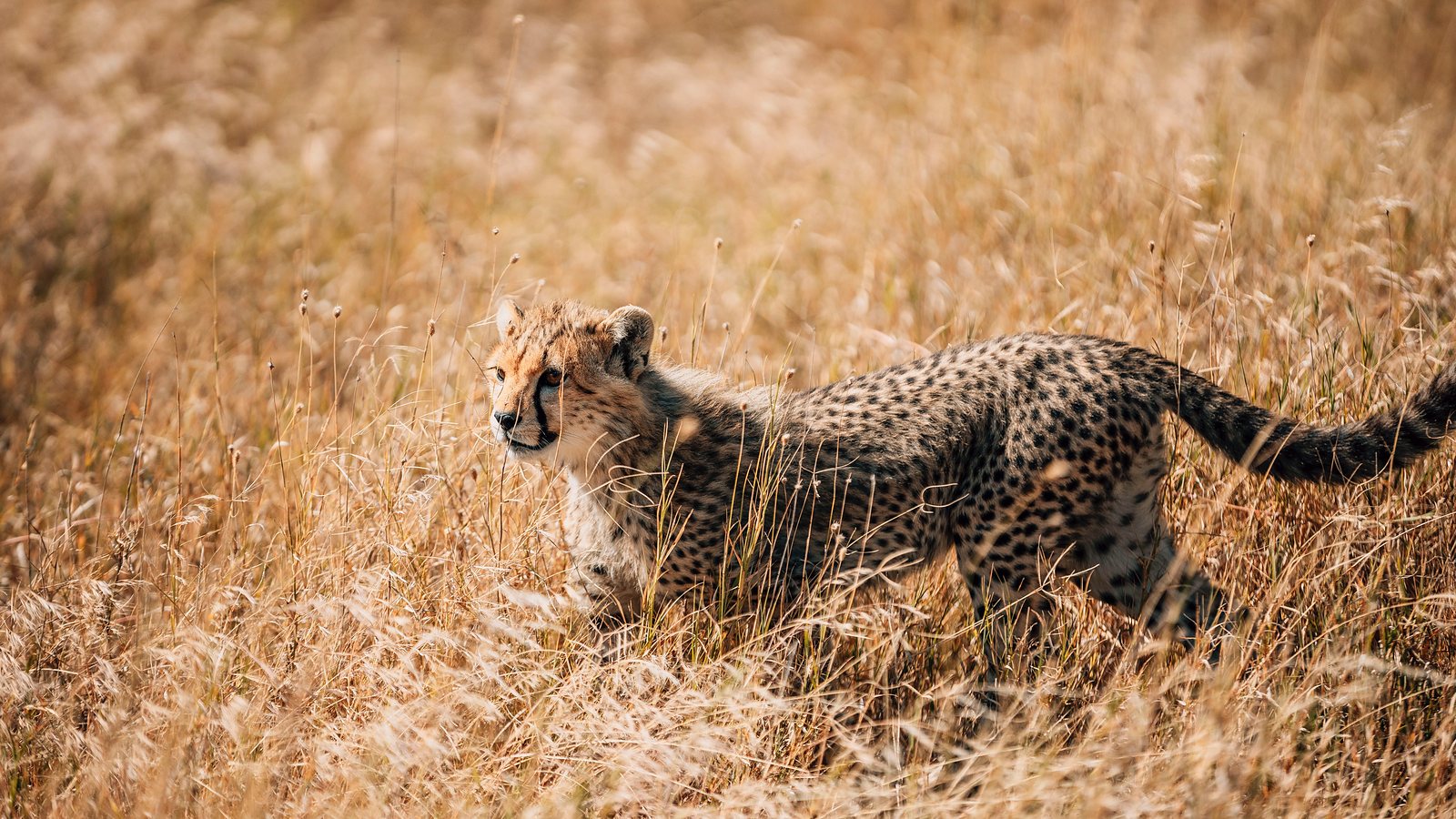
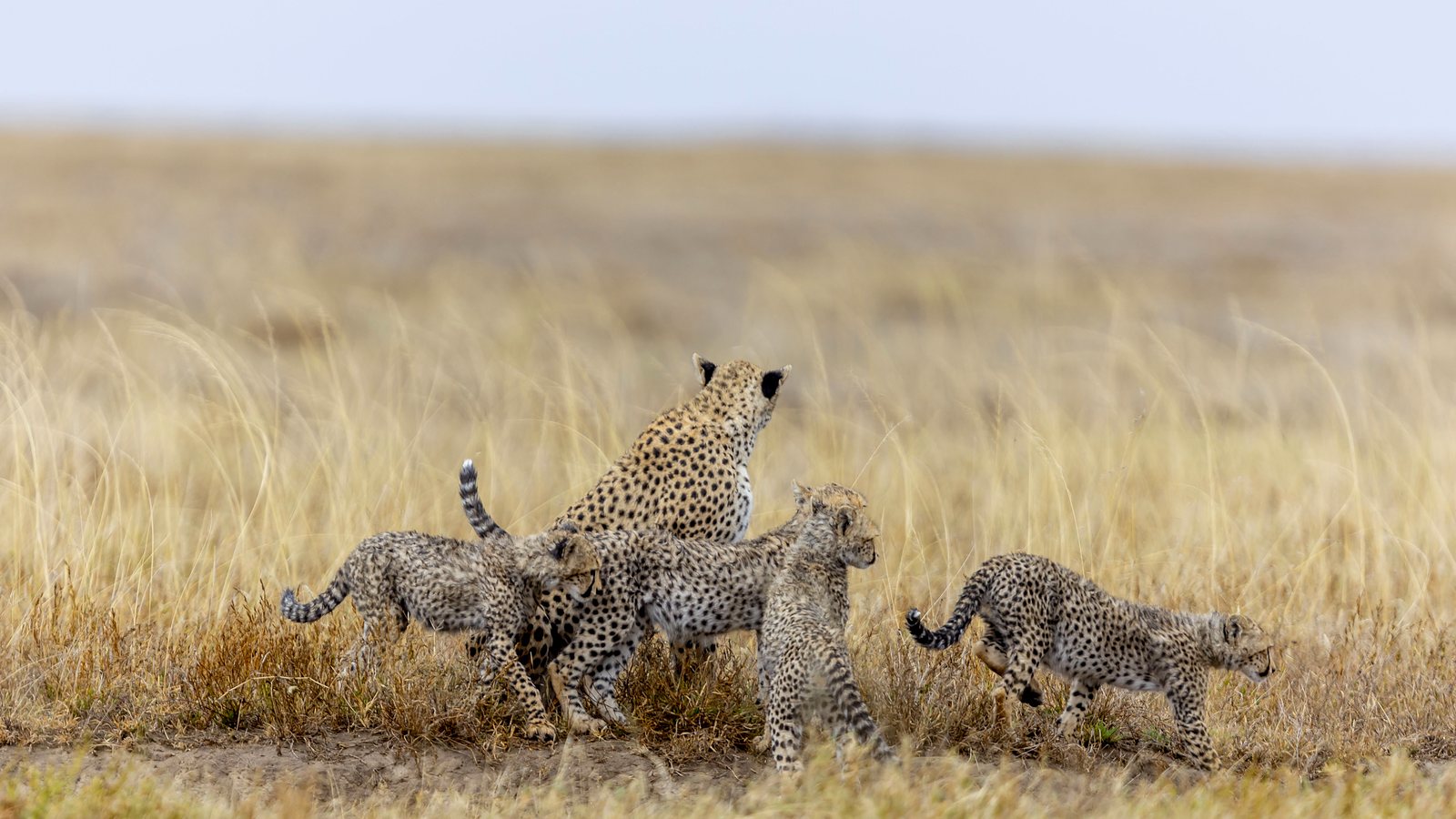
The concentration of young animals attracts lions, cheetahs and spotted hyenas, and predator activity is often intense, particularly in the early morning. The woodland around the lakes is good for leopard, giraffe and elephant, which keeps Ndutu rewarding even on days when the herds are further out.
Driving rules in the Ndutu area
Parts of the Ndutu area lie within the Ngorongoro Conservation Area, where guides are currently permitted to drive off-road, unlike most of the national park. It allows closer, more flexible viewing, and our guides use it responsibly, keeping a respectful distance from mothers and newborn calves. Rules can change, and guides always follow the current regulations.
Where to stay and how long
Many camps in the area are seasonal and open only for the calving months, so booking three to nine months ahead gives the best choice for February. Two nights give one full day on the plains; three allow for changing weather and herd movements. Ndutu pairs naturally with the Ngorongoro Crater and a cultural morning at Lake Eyasi.
Best time to visit Ndutu
BestGoodQuieter or rainy
December to March for the herds and the calving, with late January to late February usually the most reliable window. From April the herds move north-west and the area becomes very quiet; resident wildlife remains, but most seasonal camps close.