

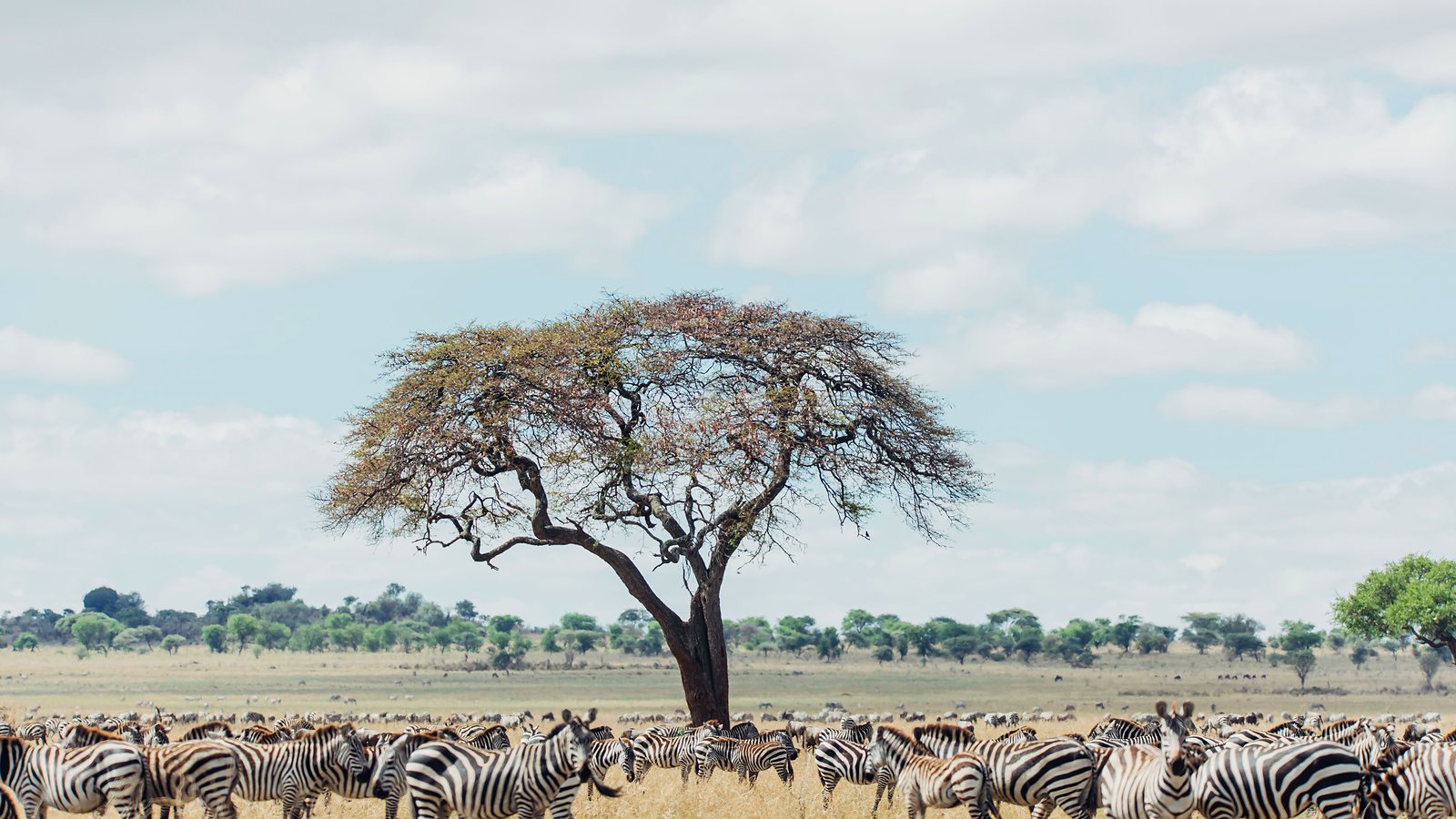
Where to go in the Serengeti, month by month
The Serengeti covers almost 15,000 square kilometres. Choosing the right region for your month is the most important decision in planning a safari there.
Many travellers treat the Serengeti as one destination. In practice it is several very different areas, several hours' drive apart, each at its best at a different time of year.
The four main regions
| Region | Best months | Why go |
|---|---|---|
| South: Ndutu and the short-grass plains | December – March | Calving season, huge herds and high predator activity |
| Central: Seronera | All year | Resident big cats, easy access, the migration passing in transition months |
| West: Grumeti and the western corridor | May – July | Herds moving north; Grumeti River crossings are possible |
| North: Kogatende and Lamai | July – October | Mara River crossings, quieter landscapes |
South: Ndutu
From about December to March, the migrating herds gather on the southern plains to graze and give birth. Ndutu sits partly in the Ngorongoro Conservation Area, close to the crater. Read our calving season guide.
Central: Seronera
The Seronera valley has water and resident prey all year, which makes it one of the most reliable areas in Africa for lion, leopard and cheetah. It is also the easiest part of the park to reach from Arusha and the Ngorongoro Crater, so most itineraries include it. Two nights here give you a full day on the plains.
West: the Grumeti
Around May to July, the herds move through the western corridor, and crossings of the Grumeti River are possible. This region is more remote and less visited.
North: the Mara River
From about July to October, the herds spend much of their time in the north, crossing the Mara River back and forth. Read our guide to Mara River crossings.
Distances
Driving from Central Serengeti to Kogatende in the north takes roughly three to four hours with game viewing on the way. From Arusha to Seronera by road takes most of a day, with a game drive en route. Scheduled flights connect Arusha and Zanzibar with airstrips in the park.
How to plan
- Start with your travel month.
- Choose the region where the herds are most likely to be, or Central Serengeti if the migration is not your priority.
- Allow at least two nights in any region you want to explore properly.
- Add the Ngorongoro Crater and Tarangire on the way in or out.
Browse our Great Migration safaris or all safari packages.
Frequently asked questions
Which part of the Serengeti is best?
It depends on the month. Central Serengeti is good all year; the south is best from December to March and the north from July to October.
Can we see both calving and crossings on one trip?
Not usually. They happen at opposite ends of the park at opposite times of year.
How many days do we need in the Serengeti?
At least two nights for one region; four or more if you want to combine central and northern areas.
All articles
All articles
How much does a Tanzania safari cost?
Real per-person prices for private Tanzania safaris from 2 to 12 days, what is included, what drives the cost, and how group size changes the price.
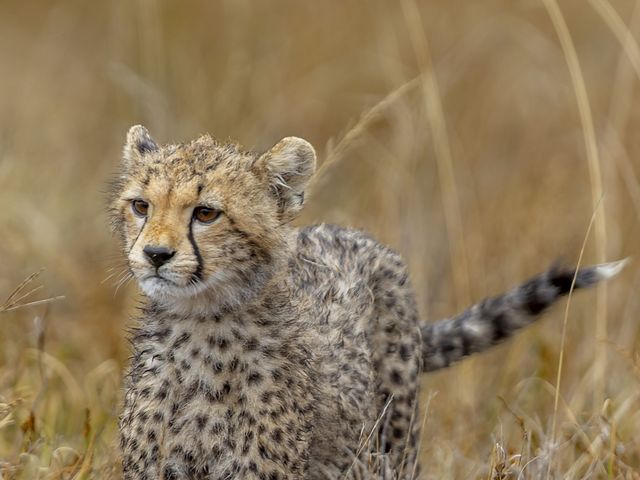
The Ndutu calving season: when to go and what to expect
When the wildebeest calving season happens in Ndutu and the southern Serengeti, what you will see, weather, photography tips and how to plan your safari.
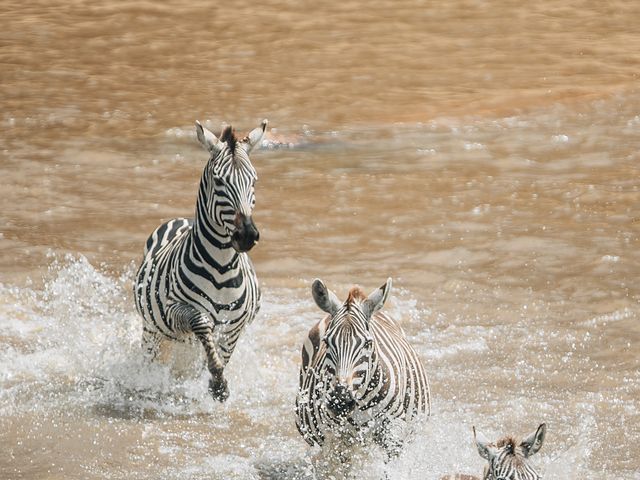
Mara River crossings: a realistic guide
When and where the wildebeest cross the Mara River in the Northern Serengeti, why crossings cannot be guaranteed, and how to plan the best chance of seeing one.
Start planning your Tanzania safari
Tell us when you would like to travel and what matters most to you. We will suggest a route that fits.
