

Ngorongoro Crater: a practical guide
A day on the crater floor is one of the highlights of northern Tanzania. A few practical details make it much better.
The Ngorongoro Crater is a collapsed volcano about 19 kilometres across, with walls roughly 600 metres high and a floor that holds water all year. That permanent water supports a resident population of large mammals, which is why almost every northern circuit safari includes a crater day.
How a crater day works
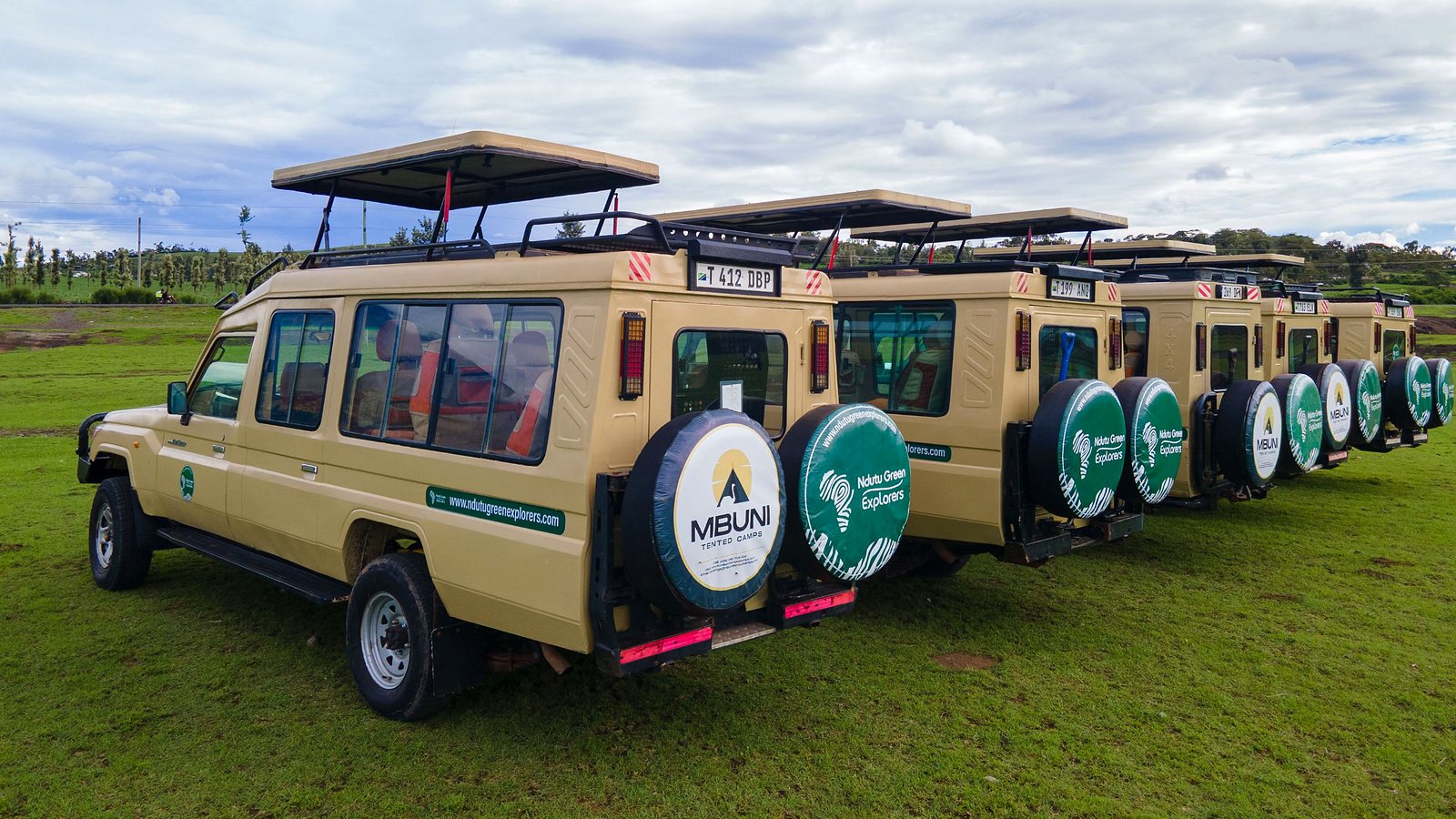
Vehicles enter the crater by a descent road and leave by an ascent road. Time on the crater floor is limited to about six hours per visit, so the order of the day matters. We descend as early as the gates allow, when animals are active and before most vehicles arrive, and have lunch at a designated picnic site on the floor.
At the picnic sites, black kites have learned to snatch food from hands. Eat inside the vehicle or keep sandwiches covered.
What you are likely to see
- Lion and spotted hyena, both common on the open grassland.
- Buffalo, zebra and wildebeest in large numbers.
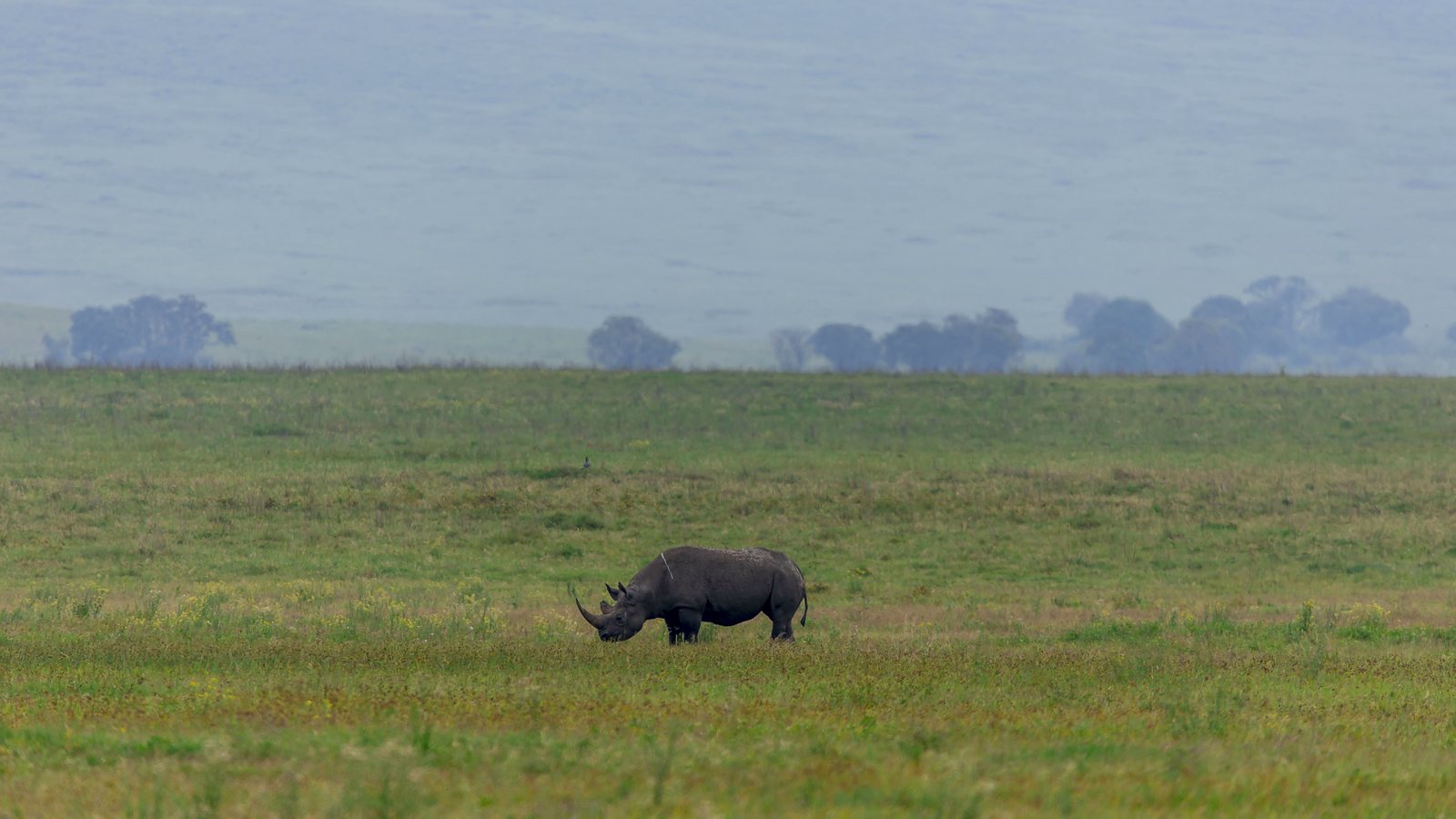
- Black rhino. The crater is the most reliable place in northern Tanzania to see one, though usually at a distance. Binoculars help.
- Elephant, mostly older bulls, often around the Lerai fever-tree forest.
- Hippo in the pools and swamps, and flamingos on Lake Magadi when conditions suit them.
Giraffes are absent from the crater floor; the steep walls keep them out. You will see them in Tarangire and the Serengeti.
Best time to visit
The crater is productive all year because water and grazing are always available. The dry season, from June to October, is the busiest. The green season brings fewer vehicles and fresh landscapes.
Weather on the rim
The crater rim sits at around 2,300 metres. Early mornings can be cold and misty, especially from June to August, even when the crater floor is warm by midday. Keep a fleece in the vehicle.
Where to stay
A lodge on the crater rim lets you descend within minutes of leaving; our 3-day luxury safari uses Ngorongoro Serena Safari Lodge for exactly that reason. Lodges in Karatu, about 45 minutes from the gate, cost less and are a sensible choice on most itineraries.
Combining the crater
The crater sits between Tarangire and the Serengeti, so it fits naturally on the way in or out. It is also two to three hours from Ndutu, which makes it an easy pairing during the calving season.
Frequently asked questions
Can we spend a full day in the crater?
Visits to the crater floor are limited to about six hours, which is enough for a thorough game drive with a picnic lunch.
Will we see a rhino?
It is possible and more likely here than anywhere else in the north, but not guaranteed. They are often seen at a distance.
Is the crater crowded?
It can be busy in peak months. Descending early helps you enjoy the quieter hours.
All articles
All articles
How much does a Tanzania safari cost?
Real per-person prices for private Tanzania safaris from 2 to 12 days, what is included, what drives the cost, and how group size changes the price.
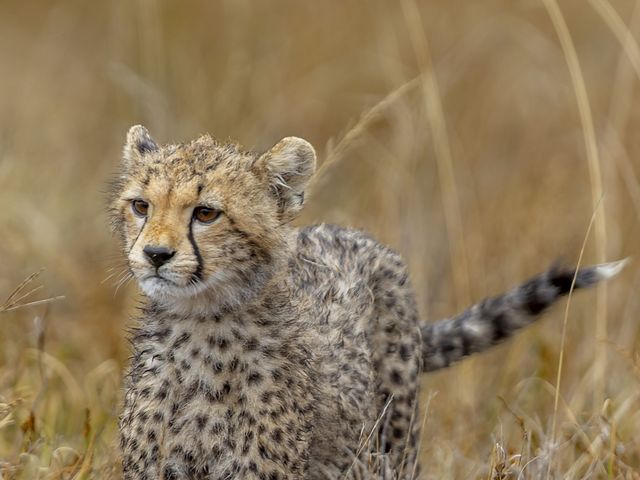
The Ndutu calving season: when to go and what to expect
When the wildebeest calving season happens in Ndutu and the southern Serengeti, what you will see, weather, photography tips and how to plan your safari.
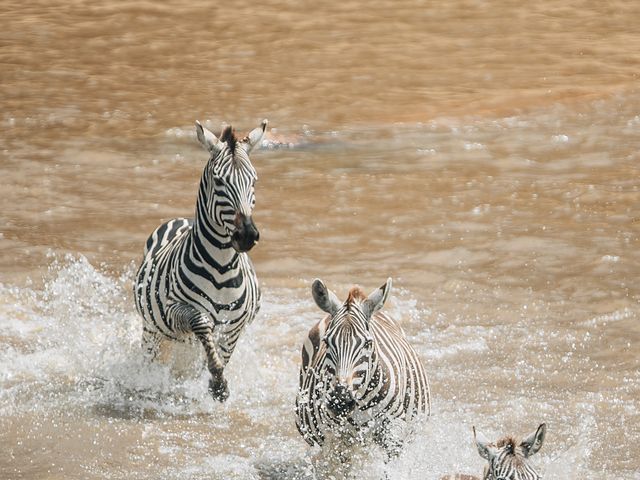
Mara River crossings: a realistic guide
When and where the wildebeest cross the Mara River in the Northern Serengeti, why crossings cannot be guaranteed, and how to plan the best chance of seeing one.
Start planning your Tanzania safari
Tell us when you would like to travel and what matters most to you. We will suggest a route that fits.
