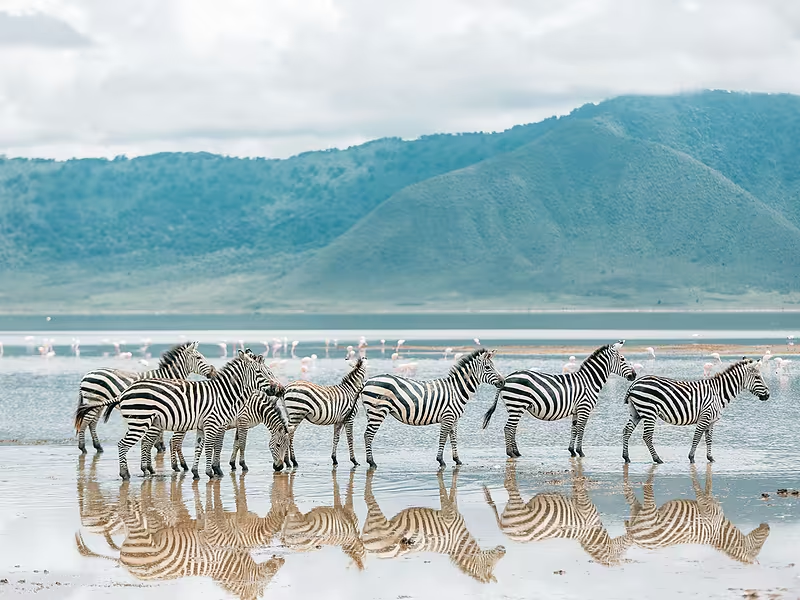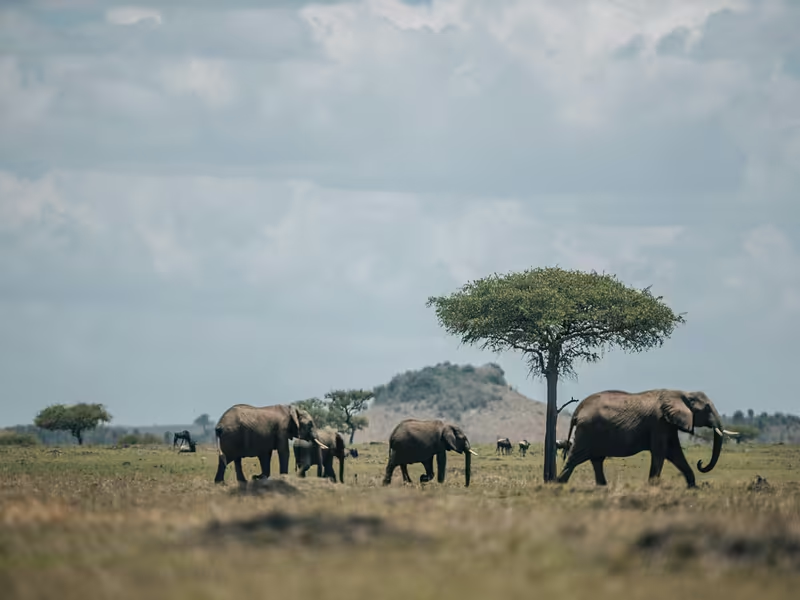

The Serengeti is Tanzania's best-known national park and the centre of an ecosystem that extends into the Ngorongoro Conservation Area and Kenya's Maasai Mara. It covers 14,763 square kilometres, and within it the landscape changes from short-grass plains in the south to acacia woodland, rocky ridges and river forest in the west and north.
Because the park is so large, a Serengeti safari depends on where you stay. The right region for your travel month matters more than any other planning decision.
Why go on a Serengeti safari
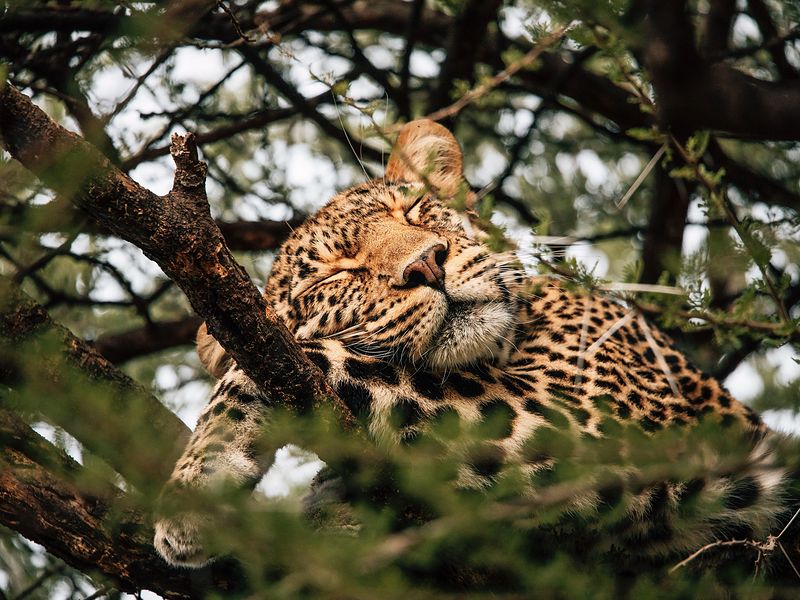
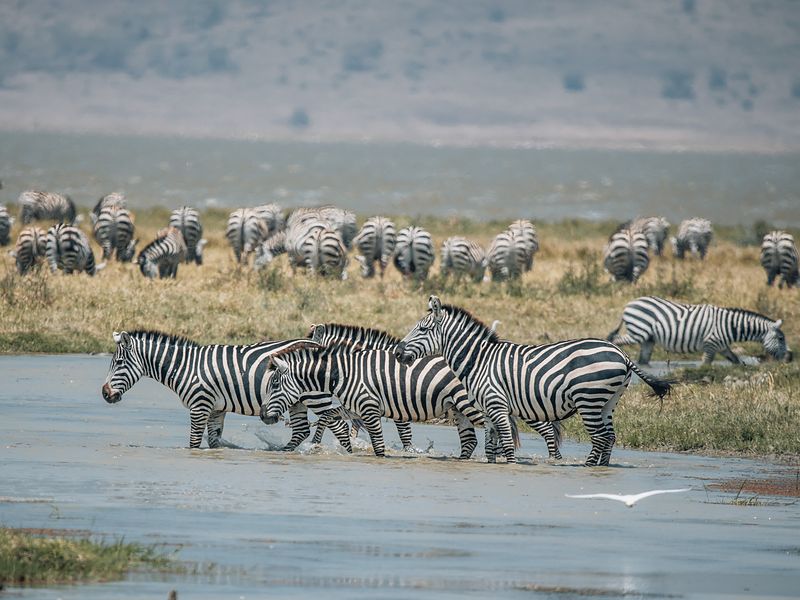
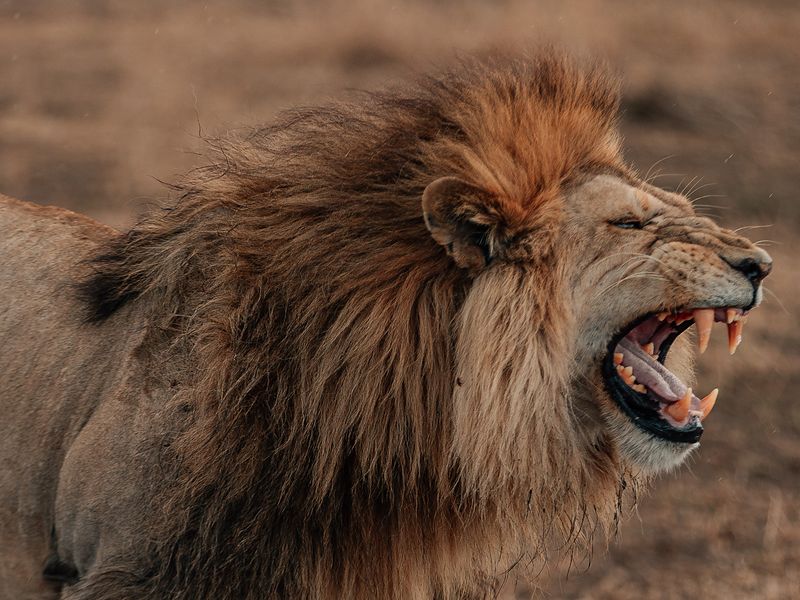
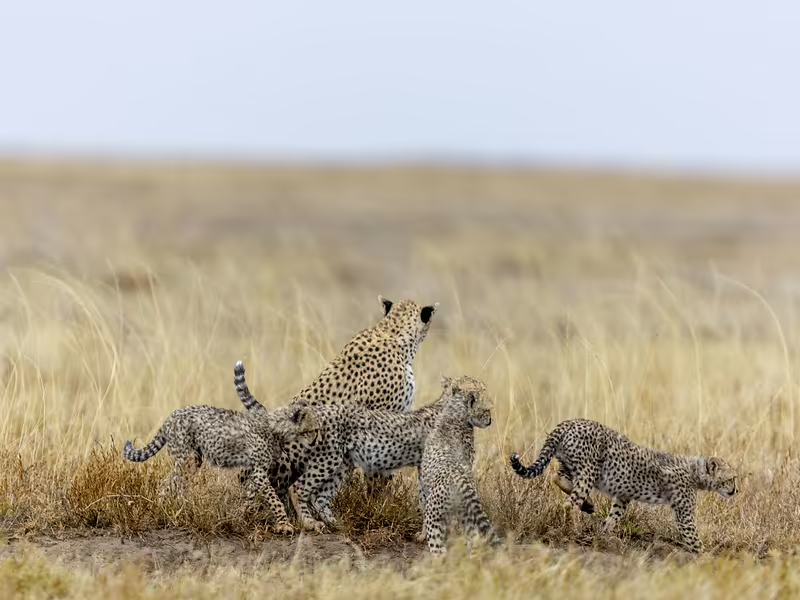
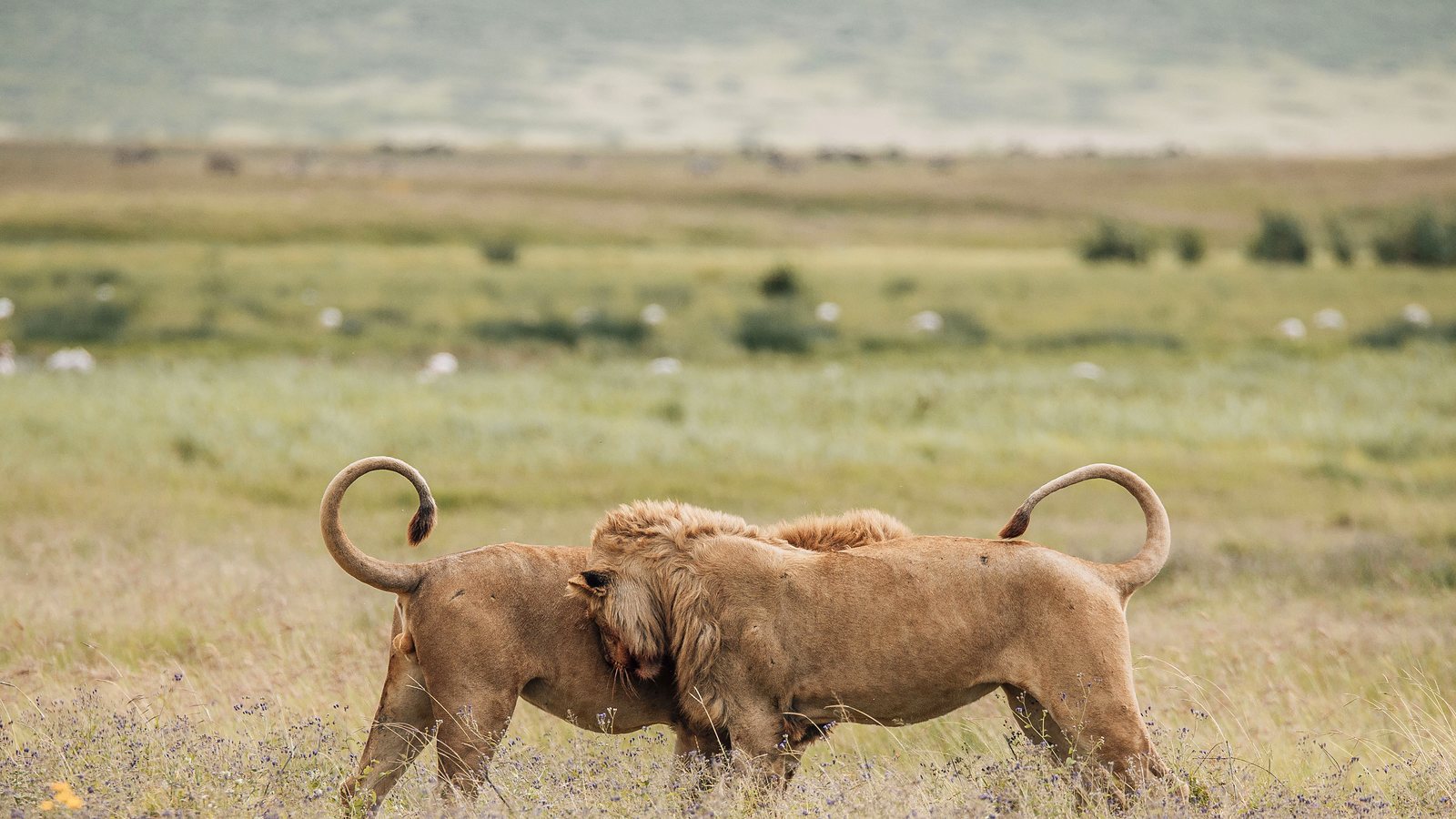
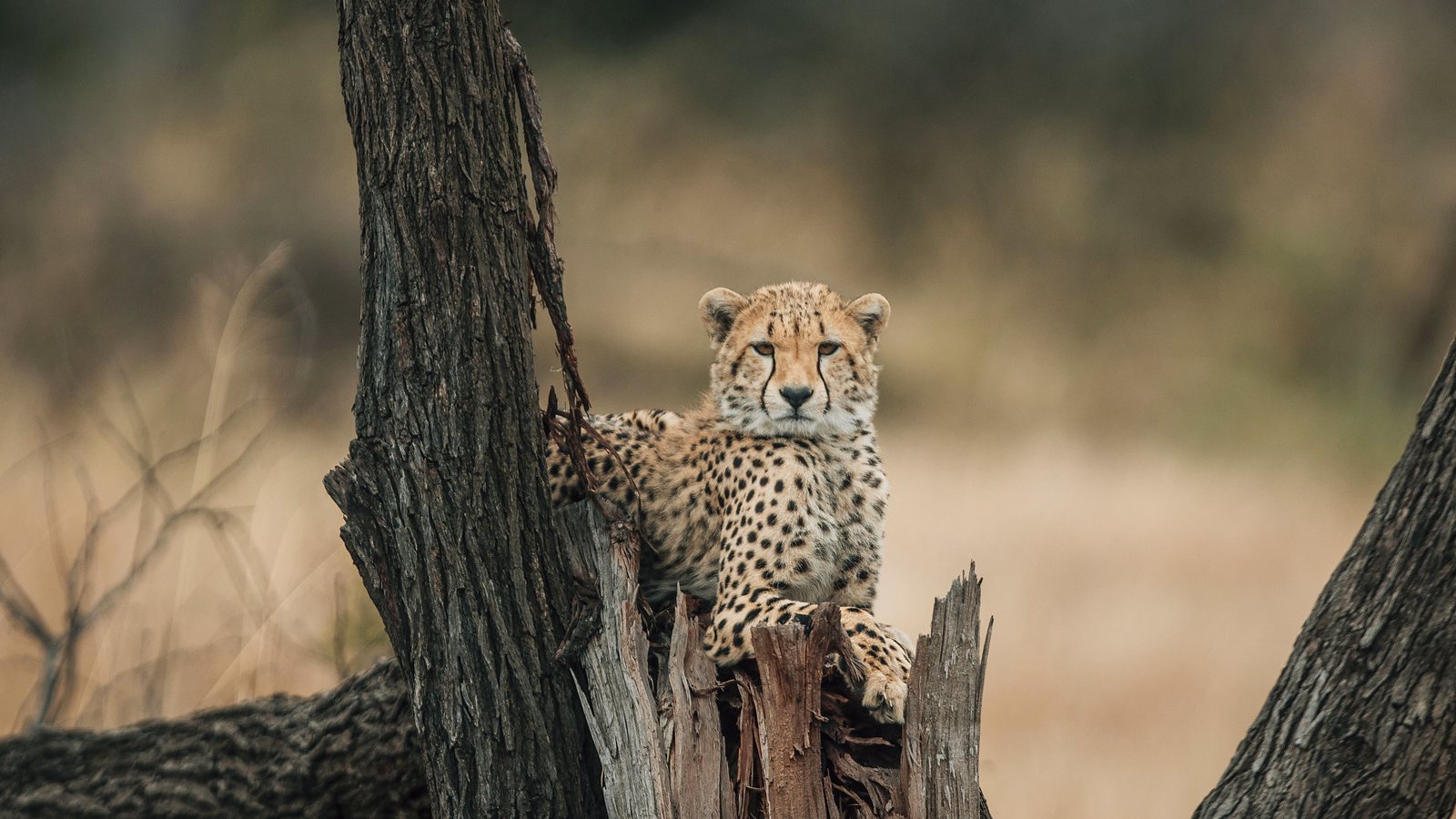
Few places combine this density of predators with this much open space. Lions rest on the kopjes, cheetahs hunt on the plains and leopards use the trees along the rivers. More than a million wildebeest, with zebra and gazelle, follow the rains through the ecosystem in a loop that never really stops.
Game drives start in the cool early morning, when predators are most active, and the park's size means you can often find sightings away from other vehicles.
The main regions of the Serengeti
Central Serengeti and the Seronera Valley
Water and resident prey all year make the Seronera area one of the most reliable places in Africa for big cats. It is also the easiest region to reach from Arusha and the Ngorongoro Crater.
Southern plains and Ndutu
From about December to March the migrating herds gather on the short-grass plains to calve. See our Ndutu guide.
Western Corridor and the Grumeti River
Wooded and less visited. The herds usually pass through around May to July, when crossings of the Grumeti River are possible.
Northern Serengeti and the Mara River
From about July to October the herds spend much of their time in the north, crossing the Mara River back and forth. Read our guide to Mara River crossings.
Wildlife and experiences
- Lion, leopard and cheetah, plus spotted hyena, serval and bat-eared fox.
- Elephant, giraffe, buffalo, topi, hartebeest and large herds of plains game.
- Hot-air balloon flights at sunrise, available in several areas and booked in advance.
- Full-day game drives with a picnic lunch, giving time to stay with a sighting.
How long to stay and how to combine it
Two nights in one region give you a full day on the plains; three or four nights let you combine the centre with the north or the south. Most itineraries arrive through the Ngorongoro highlands and the Naabi Hill gate, so the Ngorongoro Crater fits naturally on the way in or out, with Tarangire near Arusha.
Scheduled flights link Arusha and Zanzibar with airstrips inside the park, such as Seronera, which can replace a long drive. See safaris from Zanzibar.
Best time to visit the Serengeti
BestGoodQuieter or rainy
There is no bad month, only different ones. June to October is dry, with thinner grass and the herds usually in the north. January to March brings the calving season in the south. April and May are the long rains: landscapes are green and quiet, and some seasonal camps close.
Plan by region: follow the herds if the migration is your priority, or base yourself in the centre for reliable year-round game viewing. Our month-by-month regional guide explains the pattern in detail.